
Key Takeaways – How Cold is an Ice Plunge
Takeaway 1:
Ice baths, also known as cold plunges or ice baths, can be an effective tool for athletes looking to recover quickly after intense training sessions. By exposing your body to cold water temperatures ranging from 38°F to 60°F (approx 3.3°C to 15.5°C), you can experience the benefits of reduced inflammation and accelerated recovery time. However, it’s important to start with slightly warmer temperatures if you’re a beginner and gradually decrease the temperature as your body adapts.Takeaway 2:
When it comes to the duration of your ice plunge, it’s crucial to consider the temperature of the water. As a general rule, the colder the water, the shorter your dip should be. For beginners, immersing yourself in an ice bath with a temperature around 34°F (1°C) should not exceed thirty seconds. As you become more experienced and comfortable with the cold, aim for a duration of around 10 to 15 minutes at temperatures between 41-50 degrees Fahrenheit (5-10 degrees Celsius).Takeaway 3:
While there are numerous benefits associated with ice baths, it’s essential to exercise caution and follow precautionary measures due to potential risks such as hypothermia or heart failure in extreme cases. It’s vital that you ease into colder temperatures over time rather than jumping right into extremely cold water, allowing your body to adapt gradually without experiencing a shock from the cold. Always prioritize your safety when engaging in ice plunge activities and consult with a healthcare professional if you have any concerns or underlying health conditions. Remember, incorporating ice baths into your recovery routine can be beneficial for athletes seeking rapid recuperation from intense workouts or games. By understanding how temperature affects duration and starting slowly while prioritizing safety precautions, you can optimize your experience with this cold therapy method.Our #1 Best Recommended Cold Plunge
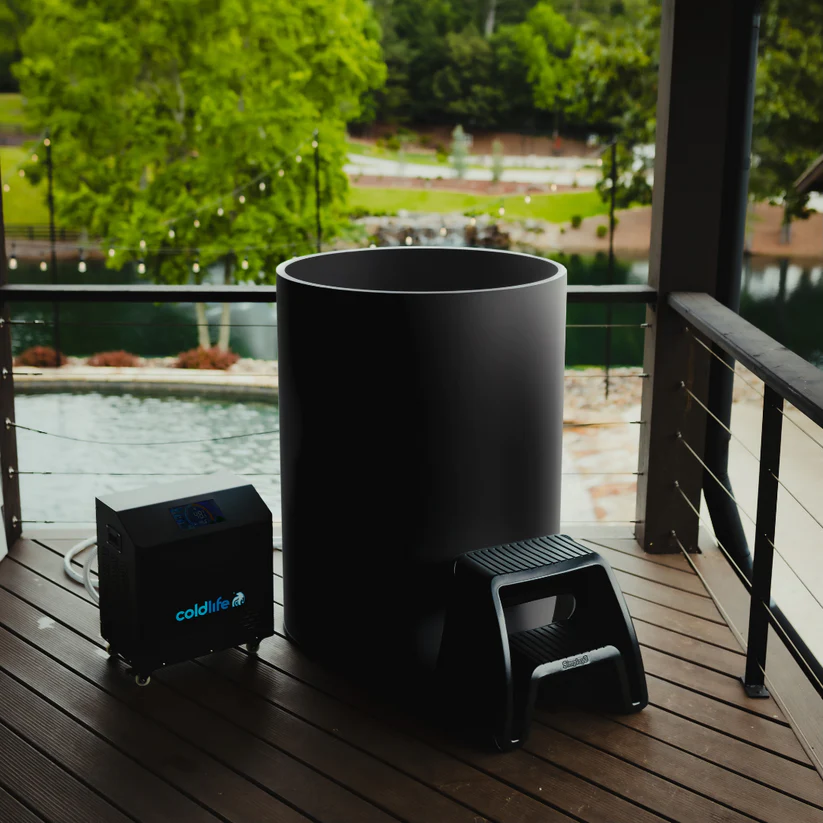
If you’re looking for the perfect winter gear, consider our Cold Life Plunge Bundle. This package includes all the essentials to keep you cozy in freezing temperatures. Make sure to check it out today and be prepared for your next cold-weather adventure.Are you ready to redefine your limits with cold immersion?
Explore the compelling truth behind cold plunging and its remarkable benefits for mind and body.
Dive into the Cold Life Plunge Bundle now to embark on your journey to revitalization and strength. Transform your life today!

Here’s a Youtube Video about How Cold is an Ice Plunge
“How cold is an ice plunge?” typically ranges between 50 to 59 degrees Fahrenheit (10-15 degrees Celsius), though the ideal temperature may vary based on several factors.
Certain determinants including body weight, acclimation level, and purpose of the plunge can greatly affect this ideal range.
As individuals gradually adapt to colder temperatures in ice baths, they may be able to handle more extreme levels of cold.
There’s a noteworthy correlation between the temperature of an ice plunge and dip duration – generally, the colder it gets, the shorter your stay should be.
It’s worth mentioning that ice plunges offer remarkable benefits for athletes including improved recovery, increased mental strength and enhanced circulation among others.
However, potential risks such as hypothermia are also associated with this practice thus employing precautionary measures like proper timing and supervision is paramount.

Understanding the Typical Temperature Ranges of Ice Plunge
Let’s dive right in. An ice plunge, sometimes known as a cold plunge or ice bath, usually boasts a water temperature hovering from 38°F to 60°F (approximately 3.3°C to 15.5°C). Quite chilly, wouldn’t you agree? Now you might be wondering,how cold is an ice plunge really?.

Download this courtesy guide to optimize your sauna and cold plunge experience and health optimization.
Download the Free Guide TodayFactors Affecting Ideal Ice Plunge Temperature
In any case, the exact temperature largely hinges on several factors like your resistance to cold and the specific benefits you hope to glean from this sub-zero treatment. Yes, you heard it right – your personal tolerance plays a large role in determining your ideal ice bath temperature.Gradual Adaptation to Colder Temperatures in Ice Baths
If you’re new to this form of chill therapy, it’s advisable to start with slightly warmer temperatures and progressively decrease as your body acclimates. A good rule of thumb is initially starting below 60°F and gradually deducting a degree as comfortability increases with cold water immersion. This way, there’s no nasty surprises for your system.Remember: It’s about gradual adaptation; don’t rush into extreme temperatures.
Correlation Between Ice Plunge Temperature and Dip Duration
Speaking of which, there’s an interesting correlation between the temperature of the ice bath and how long one should dip in it. Generally speaking (and this is important so pay attention!) – As we crank up the frostiness, our time submerged should subsequently decrease. For instance, a quick ice plunge in nearly freezing water at around 34°F (1°C) should not surpass thirty seconds for newbies.Benefits of Ice Plunge for Athletes
By the way, ice baths are popular amongst athletes, and for good reason. The icy temperatures lead to constriction of blood vessels and lessened blood flow which can aid in reducing inflammation and speeding up recovery time after hard training sessions or games. This is no secret among those who frequently engage in cold therapy. In essence, it’s a form of physical therapy with ice baths. Pro Tip: For those engaging in heavy training routines, an ice bath could be your secret weapon for fast recovery!
Potential Risks and Precautionary Measures in Taking an Ice Plunge
All things considered though, while the chill therapy health benefits are numerous, it’s crucial to bear the risks at heart too! Extreme cases might lead to hypothermia or even heart failure if precautionary measures aren’t taken during these polar bear plunge temperatures. So always ease into colder temperatures over time rather than taking a headfirst dive into icy-cold waters.
For those looking to understand more about the freezing sensation of an ice plunge, a great resource to begin with is learning more about the best cold plunge options available. This can provide a comprehensive guide on what to expect and how to prepare for such an experience.
In addition, if you have specific questions like how long is a cold plunge typically or how long can you stay in a cold plunge, this site offers insightful answers.
Moreover, when considering the cost implications of incorporating an ice plunge into your routine, it would be worthwhile to check out posts on affordable cold plunge options or even try locating the best cold plunge for your money.
For those wanting to make this as part of a regular wellness regimen, it may be beneficial exploring details around establishing an effective cold plunger and sauna routine,. Lastly, remember that taking care of your health should always come first. Therefore familiarize yourself with what benefits and potential risks are associated with this practice by checking out articles like “
My Personal Take about How Cold is an Ice Plunge
Hello, my good friend! Now that I think about it, you may be curious about the topic of my latest blog post titled “How Cold is an Ice Plunge? Discover the Shocking Reality!“
In any case, don’t let the title scare you off. You see, understanding how cold is an ice plunge, and how this extreme temperature contrast contributes to your well-being can stimulate your desire to engage in these astonishingly therapeutic experiences.
Words of Advice: If I piqued your interest, give saunas and cold plunges a try! As someone who adores these practices, I promise that they will offer you a sense of invigoration and new beginnings that are unparalleled.
Our #1 Best Recommended Cold Plunge for most People
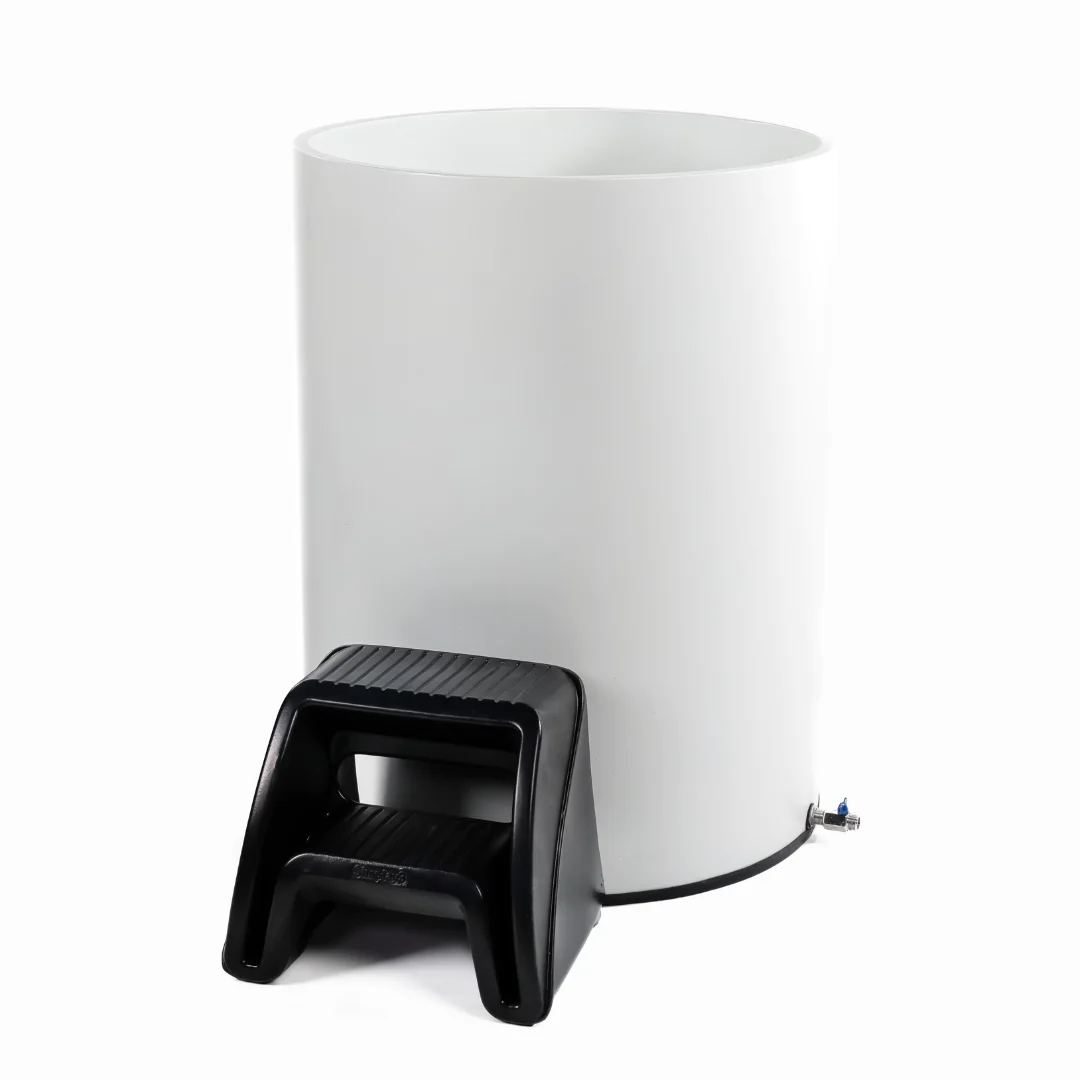
The ColdLife plunge 1 is a fantastic product that lets you experience the chill like never before. Check out the wonderful features of this product at ColdLife Plunge 1. With its superior design and performance, it will surely upgrade your cold life experience in no time.Discover the unparalleled benefits of cold immersion with ColdLife Plunge 1. Unleash your full potential with our innovative cold plunging solution. Explore the transformative effects on your body and mind. Elevate your lifestyle with ColdLife Plunge 1 today!
Frequently Asked Questions about How Cold is an Ice Plunge
1. How cold is an ice plunge?
An ice plunge typically ranges between 38°F to 60°F (approx 3.3°C to 15.5°C), but the exact temperature can vary depending on factors like your tolerance to cold and the benefits you want to achieve.
2. How long should I stay in an ice bath?
For beginners, it’s recommended to start with slightly warmer temperatures and gradually decrease as your body adapts. Generally, if the water temperature is around 34°F (1°C), your dip should not exceed beyond thirty seconds. As you become more accustomed, aim for temperatures between 41-50 degrees Fahrenheit (5-10 degrees Celsius) and stay in for about 10 to 15 minutes.
3. Can ice baths help with recovery after intense workouts?
Yes, ice baths are commonly used by athletes for rapid recovery after intense training sessions or games. The cold temperature helps constrict blood vessels and reduce blood flow, which can aid in reducing inflammation and speeding up recovery time.
4. What are the potential benefits of taking an ice plunge?
Ice plunges offer several potential benefits such as reducing muscle soreness, easing inflammation, improving circulation, boosting immune function, increasing mental alertness, and promoting overall well-being.
5. Are there any risks associated with taking an ice bath?
Yes, precautionary measures must be followed when taking an ice plunge due to its risks such as hypothermia or heart failure in extreme cases. It’s important not to expose yourself to extremely cold water for too long without gradually acclimating your body.
6. How should I start incorporating ice plunges into my routine?
If you’re new to ice plunges, it’s recommended that you start at slightly warmer temperatures and gradually decrease as your body adapts. Begin below 60°F and slowly drop the temperature by a degree as you gain comfortability. Remember to listen to your body and not push yourself too far too quickly.
Now you know How Cold is an Ice Plunge , but that’s only the beginning of your journey here at Sweat N Chill Zone. If you found this post useful there’s more to learn to get you to the next step of your sauna & cold plunge journey. If you read our next articles you’ll be a step further than most people.
Before you go…
Takeaway 1:
Ice baths, also known as cold plunges or ice baths, can be an effective tool for athletes looking to recover quickly after intense training sessions. By exposing your body to cold water temperatures ranging from 38°F to 60°F (approx 3.3°C to 15.5°C), you can experience the benefits of reduced inflammation and accelerated recovery time. However, it’s important to start with slightly warmer temperatures if you’re a beginner and gradually decrease the temperature as your body adapts.Takeaway 2:
When it comes to the duration of your ice plunge, it’s crucial to consider the temperature of the water. As a general rule, the colder the water, the shorter your dip should be. For beginners, immersing yourself in an ice bath with a temperature around 34°F (1°C) should not exceed thirty seconds. As you become more experienced and comfortable with the cold, aim for a duration of around 10 to 15 minutes at temperatures between 41-50 degrees Fahrenheit (5-10 degrees Celsius).Takeaway 3:
While there are numerous benefits associated with ice baths, it’s essential to exercise caution and follow precautionary measures due to potential risks such as hypothermia or heart failure in extreme cases. It’s vital that you ease into colder temperatures over time rather than jumping right into extremely cold water, allowing your body to adapt gradually without experiencing a shock from the cold. Always prioritize your safety when engaging in ice plunge activities and consult with a healthcare professional if you have any concerns or underlying health conditions. Remember, incorporating ice baths into your recovery routine can be beneficial for athletes seeking rapid recuperation from intense workouts or games. By understanding how temperature affects duration and starting slowly while prioritizing safety precautions, you can optimize your experience with this cold therapy method. If you’re interested in cold plunge therapy, check out our article on the best ways to cold plunge. For those on a budget, we also have a guide on the most affordable cold plunge options.
George From Sweat N Chill Zone
George, the passionate founder of Sweat N Chill Zone, is an ardent advocate for holistic wellness through the healing powers of saunas and cold plunges. With a background in health sciences and a fervent dedication to sharing the benefits of thermal therapy, George curates an informative space, offering insights, tips, and expert advice to help individuals optimize their health and well-being through the transformative effects of heat and cold treatments. Through Sweat N Chill Zone, George aims to inspire and educate, fostering a community centered around rejuvenation and vitality.
Download this courtesy guide to optimize your sauna and cold plunge experience and health optimization.
Download the Free Guide Today