
Key Takeaways – Is 30 degrees too cold for a cold plunge?
Takeaway 1: Find the Right Temperature for Your Cold Plunge
So, you’re thinking about taking the plunge into the icy waters to reap the benefits of cold exposure therapy? Well, let me tell you, it’s important to find a temperature that suits your comfort level. According to my research, the temperature for a cold plunge can range from 30 to 60 degrees Fahrenheit. However, most experts suggest that an ideal temperature range is between 10-15 degrees Celsius (50-60 degrees Fahrenheit). Starting off at a chilly 30 degrees might not be the best idea if you’re a beginner. Leave that for the seasoned pros who are experienced with cold therapies. Remember, safety first!Takeaway 2: Don’t Overdo It and Take Time to Recover
Now, I know it can be tempting to jump into those invigorating waters day after day. But hold your horses! It’s important to give your body some time to recover and prevent any potential injuries. My research recommends avoiding consecutive cold plunges on multiple days. Give yourself some breathing space and allow your system to reset before diving back in. Take care of yourself and listen to what your body tells you.Takeaway 3: Know When It’s Time to Warm Up
Okay, so you’ve taken the plunge and enjoyed your time in the icy abyss, but how long should you actually stay in there? Well, my friend, it varies depending on your own tolerance levels. The general rule of thumb is to avoid shivering or discomfort while in the water – nobody wants that! Listen closely to what your body is telling you and use it as a guide. Afterward, make sure you warm up naturally for at least two hours post-plunge. Give yourself some time for that cozy feeling of warming back up like a delicious cup of hot cocoa on a winter’s evening. Ahh, sounds nice, doesn’t it? But hey, before we wrap this up, there’s one more thing you need to know. Extremely low temperatures can be dangerous and lead to hypothermia if your body temperature drops below 95 degrees Fahrenheit. So please, my friend, always prioritize your safety and consult with a professional or someone experienced in this practice before taking the plunge. Now that you’ve got the gist of it, go out there and embrace the chilling waters while keeping yourself safe!Our #1 Best Recommended Cold Plunge
1. Get all your chilling needs catered at our The Cold Life section, where we have everything from ice packs to air conditioners. 2. For those who prefer the chills, our The Cold Life collection is perfect for you! 3. Explore a life of chill and comfort with our products showcased at The Cold Life.Are you ready to redefine your limits with cold immersion?
Explore the compelling truth behind cold plunging and its remarkable benefits for mind and body.
Dive into the Cold Life Plunge Bundle now to embark on your journey to revitalization and strength. Transform your life today!

Here’s a Youtube Video about Is 30 degrees too cold for a cold plunge?
Is 30 degrees too cold for a cold plunge? While this may seem an acceptable temperature for some, it can pose potential risks, especially for those new to the practice.
Starting at a temperature as low as 30 degrees Fahrenheit can strain your body and lead to injuries, hence, consecutive days of cold plunges are not advisable.
It is recommended to consult with professionals to ensure safety during cold plunging sessions. They can aid in determining the optimum duration in the plunge pool based on individual tolerance.
Also, it’s crucial to be aware of the risk of hypothermia – which is why extremely low temperatures should be avoided in cold plunges. Therefore, although a 30-degree plunge may seem invigorating, it might potentially be hazardous.
Always prioritize safety when planning your cold plunge sessions.

Understanding the Ideal Temperature Range for a Cold Plunge
The process of determining the optimum temperature for a cold plunge can be quite fascinating. According to research, the range could fall anywhere between 30 to 60 degrees Fahrenheit. Now that I think about it, most people find an ideal cold plunge temperature to be around 10-15 degrees Celsius or 50-60 degrees Fahrenheit.
The Potential Risks of Starting at 30 Degrees Fahrenheit for a Cold Plunge
Is 30 degrees too cold for a cold plunge? Well, beginning at such temperatures might sound tempting but may pose as quite intense and potentially risky, especially for people new to this practice. All things considered, attempting such extreme cold water plunging should be reserved only for those experienced in cold therapy.

Download this courtesy guide to optimize your sauna and cold plunge experience and health optimization.
Download the Free Guide TodayAdvisory Against Consecutive Days of Cold Plunges to Avoid Injuries
You see, while there are undeniable benefits of cold plunge, it’s important not to overlook its potential pitfalls. By consecutive days of plunging into extremely cold water, overuse and potential injury may occur.
Consultation with Professionals: A Crucial Step in Ensuring Safety during Cold Plunges
In any case, whether you’re new or experienced in this practice, consulting with professionals or those experienced in this practice can be a crucial step in ensuring safety during cold plunges. After all, they can provide guidance on the safe temperature for cold plunge.
Determining the Optimum Duration in the Plunge Pool Based on Individual Tolerance
How long should one stay submerged? That’s an entirely individual thing. The effects of 30 degrees cold plunge, or any others, vary from person to person and depend on their level tolerance. As a general guideline though, you should avoid shivering or feeling discomfort during your cold immersion therapy.
The Risk of Hypothermia: Why Extremely Low Temperatures Should Be Avoided in Cold Plunges
We cannot stress enough that while there are numerous benefits to ice baths and their impact on body’s response, there’s also a real risk of hypothermia when temperatures drop too low. Remember that if your body’s temperature goes below 95 degrees Fahrenheit, hypothermia can set in – always ensure your safety first!

Though 30 degrees can seem quite cold, it’s not necessarily too cold for a cold plunge. Factors like body temperature, personal tolerance, and preparation play a vital role in determining if a plunge into such a chilly temperature is manageable or not. If you’re wondering what temperature is too cold for a cold plunge, remember that everyone’s comfort level differs. Taking the correct measures before and after your plunge will ensure you reap all of the benefits of taking a cold plunge. Following certain breathing techniques when plunging into colder temperatures can also greatly improve your experience. The duration of your cold plunge is an important factor to consider as well. Longer dips in colder temperatures may not always be beneficial. Try to keep your sessions short initially then gradually increase the time spent plunging if appropriate. For individuals uncertain about jumping straight into the icy waters, there are alternative methods to experience similar benefits. While directly submerging yourself in an icy bath or pond may have its advantages, incorporating practices like alternating between sauna and plunge sessions can provide great results as well. Also be aware that certain conditions and health concerns could impact how safe it is for someone to do cold plunges. For example, when it comes to the impact on your heart, or if a cold plunge is safe during pregnancy, it’s always best to consult your healthcare provider first.
My Personal Take about Is 30 degrees too cold for a cold plunge?
Hi there, it’s George the sauna and cold plunge expert!
I’ve been getting a lot of inquiries lately, particularly on “is 30 degrees too cold for a cold plunge.”
You see, the temperature of your plunge is pivotal to striking that perfect balance between intensity and comfort, with 30 degrees often being just right for many.
Words of advice, don’t let the temperature intimidate you; it’s all part of the thrill!
- Embrace the chill,
- dive into the invigorating waters,
- and feel your body awaken like never before.
In any case, whether you’re a seasoned enthusiast or a curious newcomer, remember – it’s not about enduring discomfort but celebrating resilience!
Lifelong memories and unparalleled wellness are waiting for you in each sauna session and every single plunge; this is an experience not to be missed.
Invest in this adventure today, embrace something profoundly transformative, and watch as life unfolds graciously around you.
Our #1 Best Recommended Cold Plunge for most People
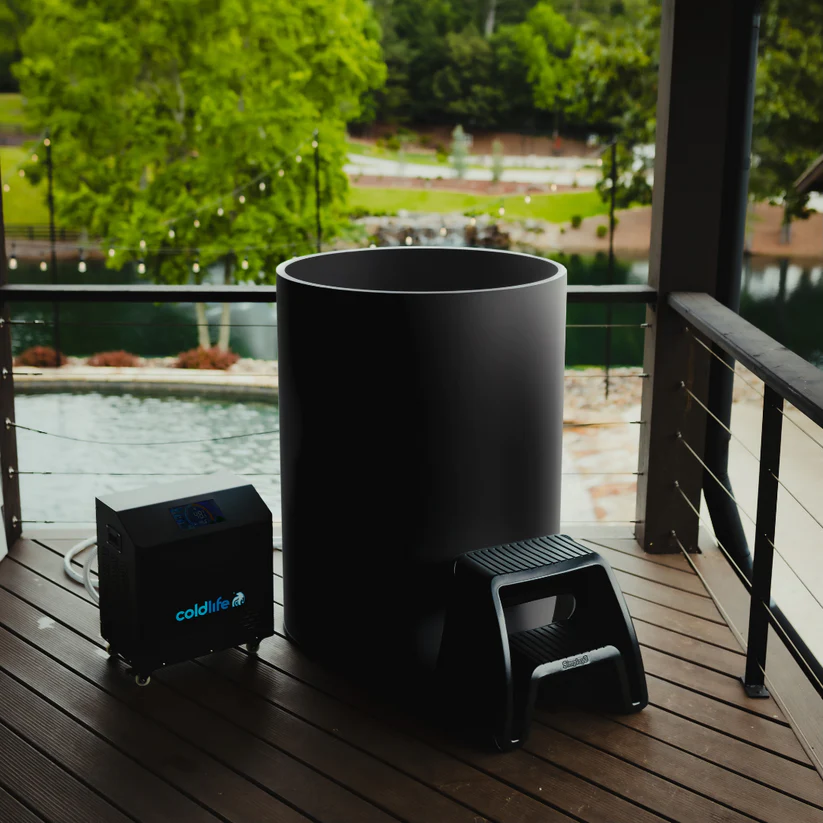
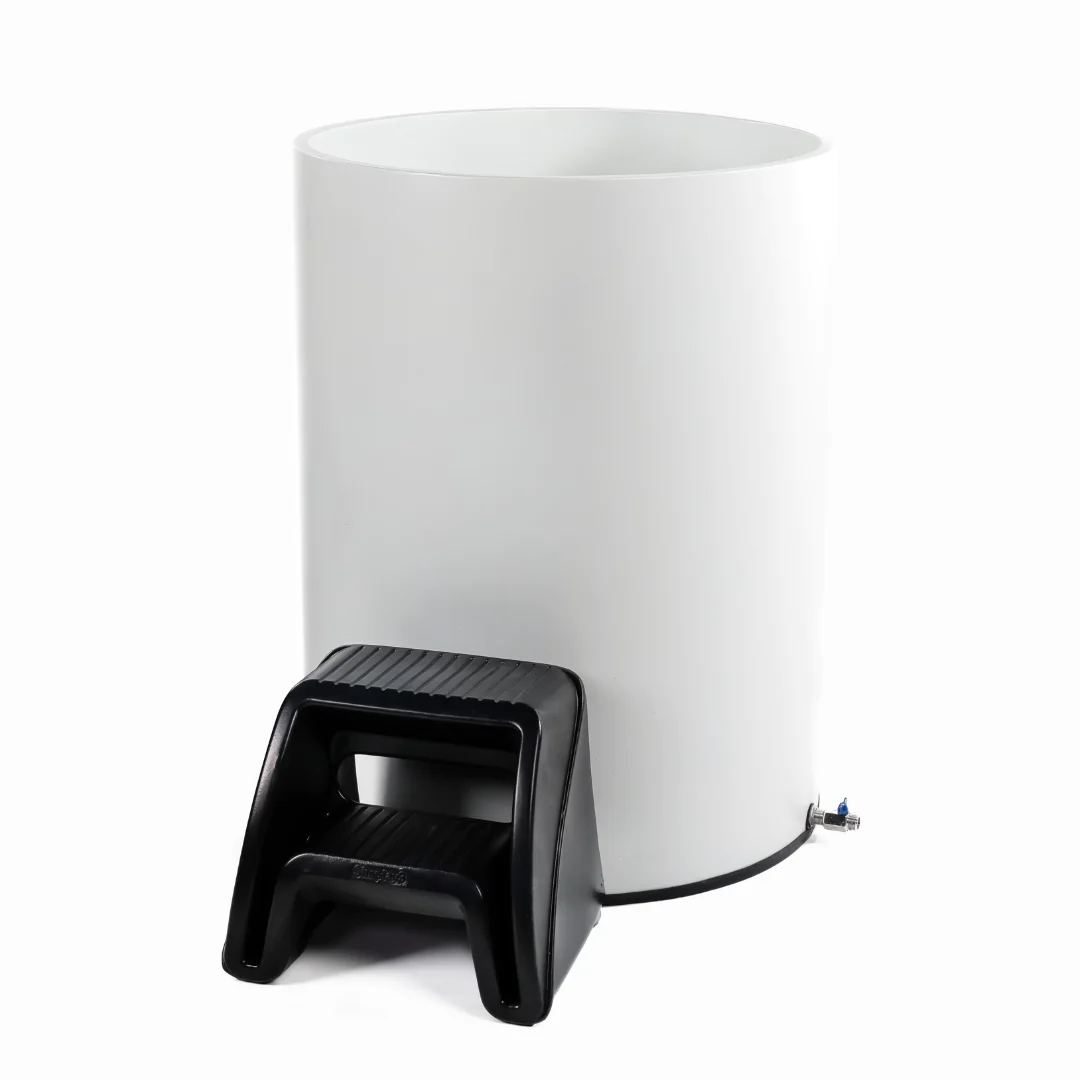
Many find the practice of cold plunging invigorating, with practitioners claiming various health benefits. If you’re uncertain about the appropriate temperature for a safe and beneficial plunge, we’ve got a detailed guide on whether 30 degrees is too cold for a cold plunge. Explore this comprehensive coverage to make your cold plunge both enjoyable and beneficial.Discover the unparalleled benefits of cold immersion with ColdLife Plunge 1. Unleash your full potential with our innovative cold plunging solution. Explore the transformative effects on your body and mind. Elevate your lifestyle with ColdLife Plunge 1 today!
Frequently Asked Questions about Is 30 degrees too cold for a cold plunge?
1. Is 30 degrees too cold for a cold plunge?
Yes, starting at a temperature as low as 30 degrees Fahrenheit may be intense and not recommended for beginners.
2. What is the ideal temperature range for a cold plunge?
The ideal temperature range for a cold plunge is between 10-15 degrees Celsius (50-60 degrees Fahrenheit).
3. Can I do cold plunges on consecutive days?
Avoid doing cold plunges consecutively on multiple days to prevent overuse and potential injury.
4. How long should I stay in the plunge pool?
The duration varies depending on individual tolerance, but it’s generally advised to avoid shivering or discomfort as a guideline.
5. When should I warm up after a cold plunge?
It is recommended to naturally warm up after at least 2 hours post-plunge.
6. Can extremely low temperatures cause hypothermia?
Yes, extremely low temperatures can cause hypothermia when the body’s temperature goes below 95 degrees Fahrenheit, so always ensure your safety while practicing cold plunges.
Now you know Is 30 degrees too cold for a cold plunge? , but that’s only the beginning of your journey here at Sweat N Chill Zone. If you found this post useful there’s more to learn to get you to the next step of your sauna & cold plunge journey. If you read our next articles you’ll be a step further than most people.
Before you go…
Takeaway 1: Find the Right Temperature for Your Cold Plunge
So, you’re thinking about taking the plunge into the icy waters to reap the benefits of cold exposure therapy? Well, let me tell you, it’s important to find a temperature that suits your comfort level. According to my research, the temperature for a cold plunge can range from 30 to 60 degrees Fahrenheit. However, most experts suggest that an ideal temperature range is between 10-15 degrees Celsius (50-60 degrees Fahrenheit). Starting off at a chilly 30 degrees might not be the best idea if you’re a beginner. Leave that for the seasoned pros who are experienced with cold therapies. Remember, safety first!Takeaway 2: Don’t Overdo It and Take Time to Recover
Now, I know it can be tempting to jump into those invigorating waters day after day. But hold your horses! It’s important to give your body some time to recover and prevent any potential injuries. My research recommends avoiding consecutive cold plunges on multiple days. Give yourself some breathing space and allow your system to reset before diving back in. Take care of yourself and listen to what your body tells you.Takeaway 3: Know When It’s Time to Warm Up
Okay, so you’ve taken the plunge and enjoyed your time in the icy abyss, but how long should you actually stay in there? Well, my friend, it varies depending on your own tolerance levels. The general rule of thumb is to avoid shivering or discomfort while in the water – nobody wants that! Listen closely to what your body is telling you and use it as a guide. Afterward, make sure you warm up naturally for at least two hours post-plunge. Give yourself some time for that cozy feeling of warming back up like a delicious cup of hot cocoa on a winter’s evening. Ahh, sounds nice, doesn’t it? But hey, before we wrap this up, there’s one more thing you need to know. Extremely low temperatures can be dangerous and lead to hypothermia if your body temperature drops below 95 degrees Fahrenheit. So please, my friend, always prioritize your safety and consult with a professional or someone experienced in this practice before taking the plunge. Now that you’ve got the gist of it, go out there and embrace the chilling waters while keeping yourself safe! If you’re wondering how cold is too cold for a cold water plunge, our detailed guide will provide some clarity. After learning about the appropriate temperatures, make sure to check out what happens when you take a cold plunge and explore the best way to cold plunge. For those on a budget, we also have recommendations for the best and most affordable cold plunges on the market.
George From Sweat N Chill Zone
George, the passionate founder of Sweat N Chill Zone, is an ardent advocate for holistic wellness through the healing powers of saunas and cold plunges. With a background in health sciences and a fervent dedication to sharing the benefits of thermal therapy, George curates an informative space, offering insights, tips, and expert advice to help individuals optimize their health and well-being through the transformative effects of heat and cold treatments. Through Sweat N Chill Zone, George aims to inspire and educate, fostering a community centered around rejuvenation and vitality.
Download this courtesy guide to optimize your sauna and cold plunge experience and health optimization.
Download the Free Guide Today