
Key Takeaways – Do you need electricity for a sauna?
Takeaway 1: Electricity is the norm, but there are alternatives
Alright, so here’s the deal. When it comes to modern saunas, electricity is usually the go-to energy source. No surprises there, right? But what you might not know is that the amount of electricity a sauna uses depends on its type and size. For your average 3 to 4 person sauna, you’re looking at a monthly cost of around $4 to $6 if you’re using it 2-3 times a week. Not too shabby, huh? And just to put things into perspective, that cost is based on a sauna that uses about 1 kWh of electricity for a 1000W sauna. If you’re rocking one of those big boys designed for multiple people, well then buckle up because those bad boys can use between around 6kW-9kW power! But hey, it’s all about options and if you prefer to save some pennies on your electricity bill, there are outdoor saunas out there that can be heated without electricity. Wood-fired stoves or solar power anyone? Count me in!Takeaway 2: Electric heaters are popular for a reason
Now let’s talk heaters. When it comes to residential saunas, electric heaters are all the rage. Why? Well, they’re super easy to install and they work like a charm even in small spaces. Just plug ’em in and voila! Ready for some steamy relaxation time. But here’s where things get interesting – these heaters can require either 120 volts or 240 volts of power depending on the manufacturer’s specifications. So before you start envisioning yourself basking in sauna goodness, make sure you check those specs first.Takeaway 3: Do your research before diving into sauna bliss
Okay, my friends, let’s get real for a second. While saunas may sound like a dream come true, there are some technical requirements you need to be aware of. Electrically-heated saunas often have specific needs like venting for fresh air circulation and different electrical wiring requirements. And let’s not forget about the power needs – traditional steam or infrared models can have different demands. So before you go full speed ahead with your sauna installation plans, take a breather and do some good ol’ research based on the type and size of sauna you’re eyeing. Trust me, it’ll save you loads of headaches down the road. Alrighty then, now you’ve got the lowdown on electricity in saunas. Whether it’s powering your sauna or exploring alternative methods, make sure you’re armed with these three key takeaways before taking the plunge into sauna bliss!Our #1 Best Recommended Sauna
Experience the perfect blend of modern technology and traditional design with our Finnmark FD 4 Trinity Infra Steam Sauna. If you’re looking for an outdoor addition, consider the unique Electric Barrel Sauna with Canopy. Explore these links to find the sauna that will redefine your leisure time.Experience luxury in your outdoor oasis with the SaunaLife Model G6.
Explore the ultimate relaxation and wellness benefits of a garden sauna.
Elevate your outdoor living with premium craftsmanship and rejuvenating heat. Discover the perfect addition to your lifestyle with SaunaLife Model G6 today!
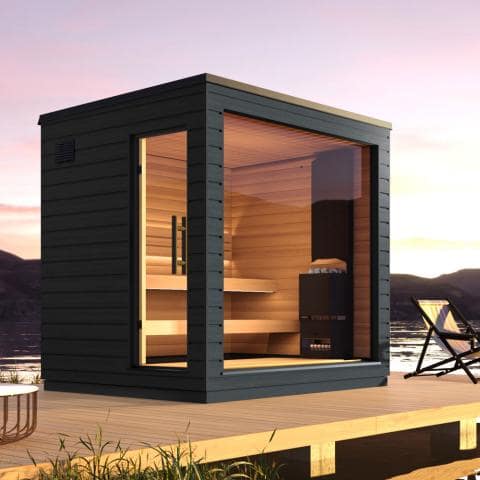

Here’s a Youtube Video about Do you need electricity for a sauna?
If you’re wondering, “do you need electricity for a sauna?”, the answer is not necessarily. Modern saunas offer several options when it comes to heating sources, ranging from traditional wood-fired to modern electric heaters and even sun-powered solar saunas.
In this blog post, we will delve into the role of electricity in modern saunas, including understanding its cost implications, how electric heaters are utilized in residential setups and alternatives for an eco-friendlier approach.
Moreover, we’ll explore the specific requirements of electrically-heated saunas, and what considerations must be made before installing one in your home or commercial space. We aim to provide a comprehensive guide that helps potential sauna owners make informed decisions about their preferred heat sources.

Understanding the Role of Electricity in Modern Saunas
When I consider the functionality of modern saunas, electricity’s role is undoubtedly significant. Most commonly found in homes, these types of saunas typically rely heavily on electricity for efficient operation. The electricity usage, however, varies based on factors such as the sauna type and its size. For example, a traditional sauna meant to accommodate 3-4 people usually operates at a cost of around $4-$6 monthly if used 2-3 times weekly. These numbers are derived from a 1000W sauna that consumes about 1 kWh (1 kilowatt per hour) of electricity.

Download this courtesy guide to optimize your sauna and cold plunge experience and health optimization.
Download the Free Guide TodayCost Implications of Operating an Electric Sauna
All things considered, operating an electric sauna does come with some cost implications. A larger sauna designed for multiple people may use between around 6kW-9kW power. The cost here naturally increases due to the higher power consumption. However, it is important to note that these costs can vary widely based on specific use and local energy costs.
Exploring the Use of Electric Heaters in Residential Saunas
Diving into residential saunas now, I’ve noticed that electric heaters are quite popular because they’re easy to install and work exceptionally well in small spaces. Generally speaking, these heaters often require either 120 volts or 240 volts of power but this specification can change depending on who manufactured them.
Alternatives to Electrically Heated Saunas: Wood-fired and Solar Power
On the flip side, if you are keen on a more energy-efficient option, some saunas don’t require electricity at all. Outdoor saunas, for instance, can utilize wood-fired stoves or even solar power as alternative heating methods. This makes them not only eco-friendly but also cost-effective in the long run.
Specific Requirements of Electrically-heated Saunas
You see, electrically-heated saunas often come with specific requirements that one should be aware of before making a decision. Things like venting for fresh air circulation and particular electrical wiring needs are common. Also noteworthy is that different models – whether traditional steam or infrared variations – might have distinctive power needs.
Pre-installation Considerations for Home-based or Commercial Saunas
In any case, if you’re considering installing a sauna at home or in a commercial space, it’s advised to carry out diligent research based on the specific type and size of the sauna in mind. This way, you’ll understand beforehand what will be necessary in terms of electrical supply and setup – helping you avoid surprises down the line.

The process of installing a sauna at home involves various considerations, including whether you need electricity for a sauna. Before making any purchases, you might want to compare the cost of a sauna and steam room to understand your budget constraints. Other factors like the plumbing requirements for a sauna setup must also be taken into account.
After the initial installation, understanding how to maintain your sauna is just as important. You would need guidance on thebest way to clean your sauna to ensure its longevity. It’s equally beneficial to learn about proper usage routines such as the optimal sauna and ice bath combo for enhanced health benefits. Lastly, considering that saunas come in different types with specific functions like weight loss or detoxification, familiarising yourself with differentways to use your sauna and steam room Hey buddy, George here, your go-to guy for all things saunas and cold plunges. In any case, there are several options to choose from: You see, steeping in a relaxing sauna or taking that brave leap into the freshness of a cold plunge isn’t just an occasional treat – it’s a journey to unparalleled wellness. In fact, I believe it’s one of the best moves towards achieving physical revitalization and mental clarity. Here’s hoping that you too will discover the joys and benefits these wonderful therapies offer! My Personal Take about Do you need electricity for a sauna?
Now that I think about it, one common question people often throw my way is “do you need electricity for a sauna?”. The short answer is not always! You see, traditional wood-burning saunas don’t need any electricity but electric or infrared saunas do.
Words of advice though – regardless of the type you choose, experiencing a sauna’s soothing heat followed by an invigorating cold plunge can transform your wellness game. It’s akin to hitting life’s refresh button! So why not give it a shot?
Our #1 Best Recommended Sauna for most People
“Are you intrigued by the idea of having a sauna but unsure about the electrical requirements? You can easily find a sauna that doesn’t require electricity, such as the Sunray Tiburon 4-Person Traditional Sauna. If you prefer a more modern design, consider models like the Vulcana Indoor Cabin Sauna Kit, which efficiently uses space and electricity.”
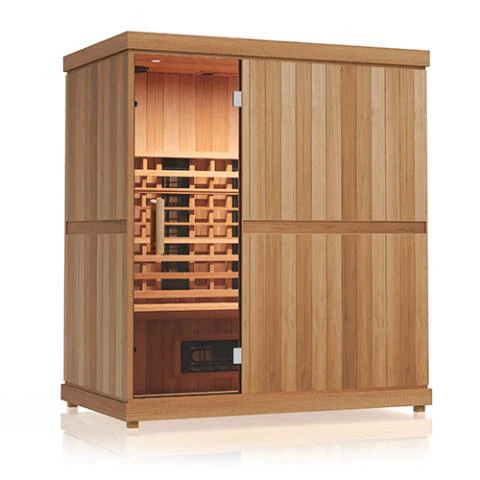
Step into the realm of total wellness with the Finnmark FD-3 Full Spectrum Infrared Sauna.
Unwind, detoxify, and rejuvenate with advanced infrared technology.
Experience the healing benefits and luxurious comfort of your personal infrared sanctuary. Elevate your well-being with the Finnmark FD-3 today!
Frequently Asked Questions about Do you need electricity for a sauna?
1. Do you need electricity for a sauna?
Yes, electricity is typically used in modern saunas, especially those for home use.
2. How much does it cost to operate a sauna with electricity?
The cost of operating a sauna with electricity can vary depending on its size and type. For a traditional 3 to 4 person sauna, the monthly cost is usually around $4 to $6 when used 2-3 times a week.
3. What kind of power do electric heaters in saunas require?
Electric heaters in saunas often require either 120 volts or 240 volts of power, but it’s essential to check the manufacturer’s specifications as it can vary.
4. Can outdoor saunas be heated without electricity?
Yes, some outdoor saunas can be heated without electricity by using wood-fired stoves or alternative methods like solar power, making them more energy-efficient.
5. Are there specific requirements for electrically-heated saunas?
Yes, electrically-heated saunas may have specific requirements such as venting for fresh air circulation, specific electrical wiring needs, and variations in power depending on whether they’re traditional steam or infrared models.
6. What should I research before installing a sauna?
If you’re considering installing a sauna at home or elsewhere, it’s recommended to research the specific type and size of the sauna you’re considering to understand the required electrical supply and setup ahead of time.
Now you know Do you need electricity for a sauna? , but that’s only the beginning of your journey here at Sweat N Chill Zone. If you found this post useful there’s more to learn to get you to the next step of your sauna & cold plunge journey. If you read our next articles you’ll be a step further than most people.
Before you go…
Takeaway 1: Electricity is the norm, but there are alternatives
Alright, so here’s the deal. When it comes to modern saunas, electricity is usually the go-to energy source. No surprises there, right? But what you might not know is that the amount of electricity a sauna uses depends on its type and size. For your average 3 to 4 person sauna, you’re looking at a monthly cost of around $4 to $6 if you’re using it 2-3 times a week. Not too shabby, huh? And just to put things into perspective, that cost is based on a sauna that uses about 1 kWh of electricity for a 1000W sauna. If you’re rocking one of those big boys designed for multiple people, well then buckle up because those bad boys can use between around 6kW-9kW power! But hey, it’s all about options and if you prefer to save some pennies on your electricity bill, there are outdoor saunas out there that can be heated without electricity. Wood-fired stoves or solar power anyone? Count me in!Takeaway 2: Electric heaters are popular for a reason
Now let’s talk heaters. When it comes to residential saunas, electric heaters are all the rage. Why? Well, they’re super easy to install and they work like a charm even in small spaces. Just plug ’em in and voila! Ready for some steamy relaxation time. But here’s where things get interesting – these heaters can require either 120 volts or 240 volts of power depending on the manufacturer’s specifications. So before you start envisioning yourself basking in sauna goodness, make sure you check those specs first.Takeaway 3: Do your research before diving into sauna bliss
Okay, my friends, let’s get real for a second. While saunas may sound like a dream come true, there are some technical requirements you need to be aware of. Electrically-heated saunas often have specific needs like venting for fresh air circulation and different electrical wiring requirements. And let’s not forget about the power needs – traditional steam or infrared models can have different demands. So before you go full speed ahead with your sauna installation plans, take a breather and do some good ol’ research based on the type and size of sauna you’re eyeing. Trust me, it’ll save you loads of headaches down the road. Alrighty then, now you’ve got the lowdown on electricity in saunas. Whether it’s powering your sauna or exploring alternative methods, make sure you’re armed with these three key takeaways before taking the plunge into sauna bliss! If you’re wondering about the finances involved in using a sauna, check out our guide on how much a sauna session costs and the overall cost of owning a sauna. For those interested in optimizing their health and wellness goals, we also have resources on the best sauna temperature for health and the ideal sauna temperature for weight loss.Indulge in supreme relaxation with the Enlighten Sauna Sierra 2. Experience the holistic benefits of full-spectrum infrared therapy.
Rejuvenate your body and mind in the comfort of your own home.
Discover true tranquility and elevate your wellness routine with the Enlighten Sauna Sierra 2.


George From Sweat N Chill Zone
George, the passionate founder of Sweat N Chill Zone, is an ardent advocate for holistic wellness through the healing powers of saunas and cold plunges. With a background in health sciences and a fervent dedication to sharing the benefits of thermal therapy, George curates an informative space, offering insights, tips, and expert advice to help individuals optimize their health and well-being through the transformative effects of heat and cold treatments. Through Sweat N Chill Zone, George aims to inspire and educate, fostering a community centered around rejuvenation and vitality.
Download this courtesy guide to optimize your sauna and cold plunge experience and health optimization.
Download the Free Guide Today