
Key Takeaways – What wood do you use sauna
Takeaway 1
Wood selection for your sauna is crucial, you want it to be able to handle the heat, last a long time, and be comfy for sitting. Popular choices include Eucalyptus, Basswood, Cedar (especially Western Red Cedar), and thermo-spruce. Pine is also a cost-effective option. In countries like Finland, Aspen, Alder, and Pine are commonly used.Takeaway 2
Softwoods like Hemlock, Nordic Spruce, Common Aspen, and Douglas Fir are frequently used due to their moisture resistance and flexibility in high heat. Some people go for thermally modified wood species for a unique touch. Hardwoods are great for maintaining a long-lasting blaze in your sauna.Takeaway 3
Remember to steer clear of pressure treated woods when building your sauna due to potential chemical concerns under high heat conditions. The best wood type will depend on factors like cost considerations, aesthetics preferences, durability expectations or allergy issues with certain trees. To ensure safety and longevity in your sauna experience prioritize choosing the ideal timber selection tailored to your needs.Our #1 Best Recommended Sauna
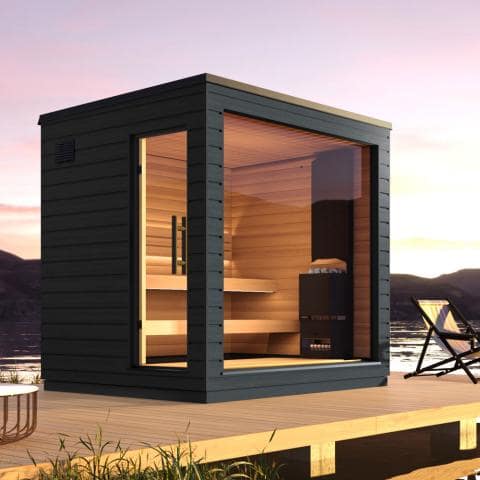
Our Finnmark FD-4 Trinity Infra-Steam Sauna is a fantastic option for those seeking a relaxing and rejuvenating home spa experience. If you prefer a unique and outdoor style, you might want to explore our Electric Barrel Sauna with Canopy. Both are excellent choices for enhancing your wellness routine at home.Experience luxury in your outdoor oasis with the SaunaLife Model G6.
Explore the ultimate relaxation and wellness benefits of a garden sauna.
Elevate your outdoor living with premium craftsmanship and rejuvenating heat. Discover the perfect addition to your lifestyle with SaunaLife Model G6 today!

Here’s a Youtube Video about What wood do you use sauna
When it comes to building a sauna, the choice of wood is paramount. The most popular and preferred types of wood for saunas are Eucalyptus, Basswood, Cedar and Thermo-Spruce, favored for their durability and aesthetic appeal.
However, Nordic countries prefer using Aspen, Alder, or Pine, which provide a unique and rustic charm. There are also other options such as Hemlock, Nordic Spruce, Common Aspen, and Douglas Fir, each with its own set of benefits.
An interesting alternative to consider is the use of thermally modified wood in sauna construction. This option offers enhanced resistance to decay and insects while retaining its aesthetic value.
The best type of wood for your sauna depends on various factors like budget, personal preference for scent and color as well as factors like humidity tolerance and heat retention properties. Your choice will ultimately define your sauna experience.
Understanding The Importance of Wood Choice in Sauna Construction
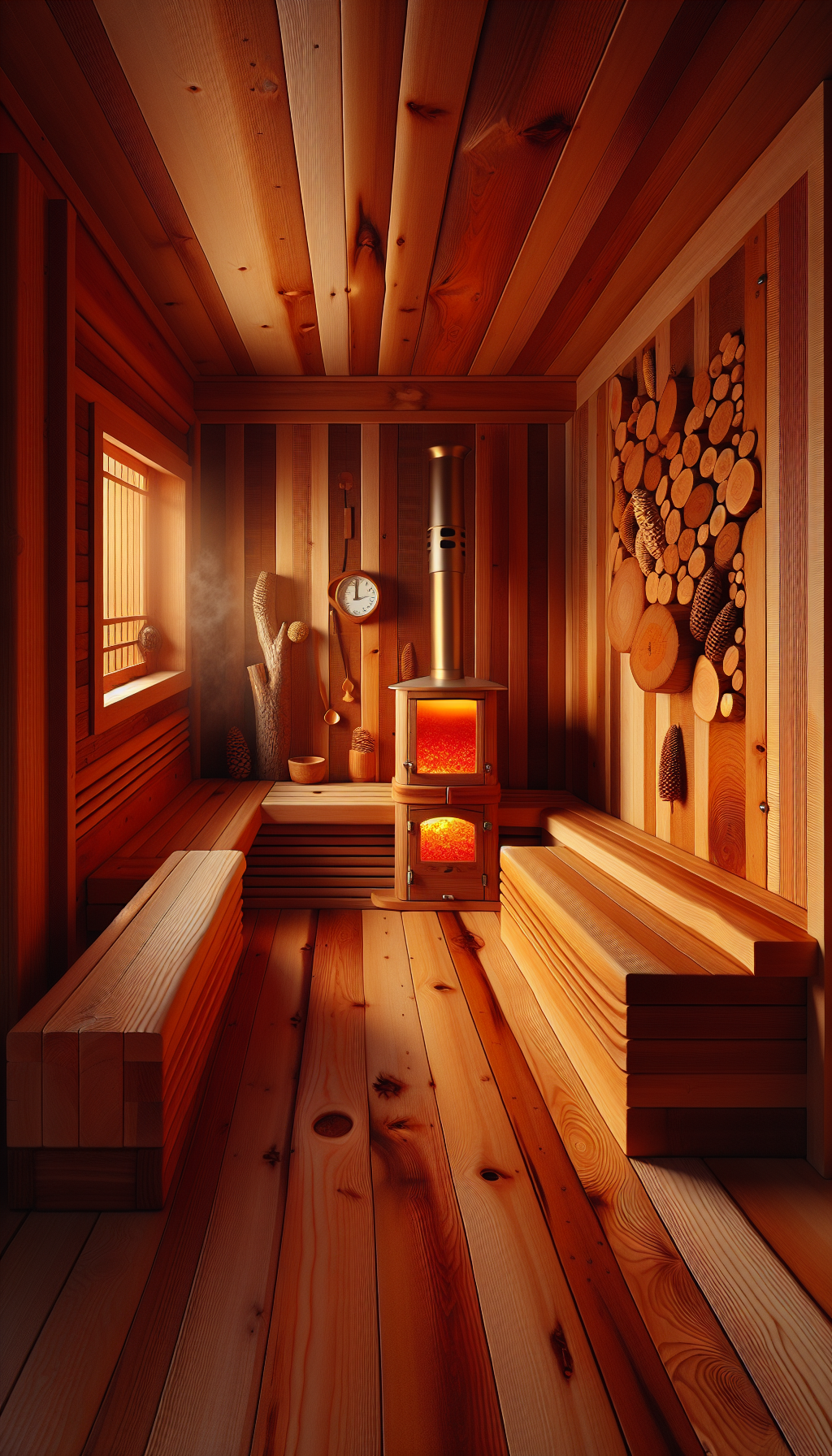
What wood do you use sauna? It’s a crucial question worth asking, as the type of wood has significant implications on your sauna experience. The wood for a sauna needs to be heat-resistant, long-lasting, and comfortable. You see, it’s not just about the aesthetic appeal; it’s about functionality and safety too.
[h2]The Popular and Preferred: Eucalyptus, Basswood, Cedar and Thermo-Spruce Explained[/h2]In any case, some sauna wood types are more popular than others. For instance, Eucalyptus is a preferred choice for its durability. Likewise Basswood, which also offers hypoallergenic properties making it ideal for people with sensitivity issues.
You see, Cedar, particularly Western Red Cedar, is another top choice in the list. Now that I think about it,[Pro-tip: When choosing cedar], you can’t go wrong with its rich aroma that enhances the sauna experience.
All things considered,thermo-spruce, known for its heat-resistance comes highly recommended too.
Diving into the Nordic Choices: Aspen, Alder and Pine
I must say that different regions have different favorites when it comes to what wood to use in a sauna. Finland prefers native woods like Aspen (known as Finnish sauna wood) Alder or Pine due to local availability.
Pine is cost-effective which makes it a common choice globally too. Nevertheless, no matter what traditional sauna materials you are inclined towards, it’s the functionality that ultimately matters.

Download this courtesy guide to optimize your sauna and cold plunge experience and health optimization.
Download the Free Guide TodayOther Wood Types for Saunas: An Overview of Hemlock, Nordic Spruce, Common Aspen and Douglas Fir
Now that I think about it, there are other choices as well when it comes to sauna wood. Hemlock, for instance, is popular for its smooth texture while Nordic Spruce and Common Aspen have their loyal followers too.
Alder and Douglas Fir, on the other hand,[Pro-tip], offer both durability and a unique look.
Exploring The Unique Option: Thermally Modified Wood for Sauna Construction
In case you’re after something different,heat-treated woods for saunas, especially thermally modified woods can be a unique option. These woods undergo a process that enhances their durability and resistance to heat or moisture – perfect for a sauna environment.
Factors to Consider While Selecting the Best Type of Wood for Your Sauna
All things considered; choosing the best wood for sauna isn’t just about picking one from a list. Factors such as local availability of timber species, cost considerations, aesthetic or traditional preferences matter. Plus[Remember!], pressure treated woods should generally be avoided due to potential chemical concerns under high-heat conditions.
I’d recommend considering individual sensitivity or allergy issues with certain types of trees too. You see,[Pro-tip], if you want your sauna to last and avoid repairs, you’ll have to think about the durability expectations as well.
In any case, now that you’re equipped with this knowledge, selecting the wood for your sauna should be a breeze. Happy sauna building!
With the numerous health benefits that saunas offer, it’s crucial to choose the right type of wood for constructing your sauna. Selecting the correct wood type not only ensures that your sauna is sturdy but also enhances its aesthetics. If you’re considering building a sauna at home, you might wonder if you need special permits for it. Knowing if you require a permit for an outdoor sauna is important to avoid any legal issues later. Saunas are also known to aid in weight loss. If this is your primary goal, using certain accessories like the best sauna blanket for weight loss can optimize your sweat sessions and fast-track your fitness goals. But what if you’re wondering how often should you use a sauna? It’s essential not just for maximizing benefits but also ensuring safety so do check out our guide on how often to go to a sauna. And if you’re battling cold symptoms, did you know that a visit to the steam room or hot tub could be beneficial? But which one provides greater relief? We delve into this question in our post comparing sauna vs hot tub benefits when unwell. While using saunas can offer many health advantages, always remember that unnecessary exposure or staying too long can be harmful. Our post on tips for staying in a sauna longer can help you find balance and get the most out of your sauna experience without any health risks.
My Personal Take about What wood do you use sauna
Hi there, friend!
I’m George, a devoted explorer in the comforting world of saunas and refreshing cold plunges. Now that I think about it, my journey has been motivated by understanding the integral facets of these relaxing activities, like deciphering just what wood do you use sauna. You see, a huge part of immersing yourself completely into this tranquil experience lies within choosing the perfect materials – from aromatic cedar to soothing spruce, each option has its unique charm.
In any case, I’ve poured all my knowledge and secrets into one comprehensive guide: “What Wood Do You Use Sauna: A Comprehensive Guide to Choosing Your Materials!”
This is your handy manual to getting started on creating your dream sauna or plunge pool! Just imagine sinking into gentle warmth or refreshing coolness enveloped by the calming scent of timber.
Ah, words of advice? Sure thing! As an expert in this field, I truly believe in promoting wellness through these simple yet impactful elements. It’s not merely about choosing the best wood for your sauna but rather about selecting one that resonates with you.
- You might resonate with Cedar’s rich aroma and minimal warping properties,
- Or perhaps you’d prefer spruce for its light colour and texture,
- Hemlock could be your choice for its non-allergenic nature;
To conclude, embarking on this journey will undeniably enrich your life in countless ways. Not only will you enjoy every moment spent within your chosen sauna or cold plunge, but you can also relish the satisfaction of knowing that it was shaped by decisions you made intelligently. Trust me, my friend, the world of saunas and cold plunges is well worth exploring!
Our #1 Best Recommended Sauna for most People
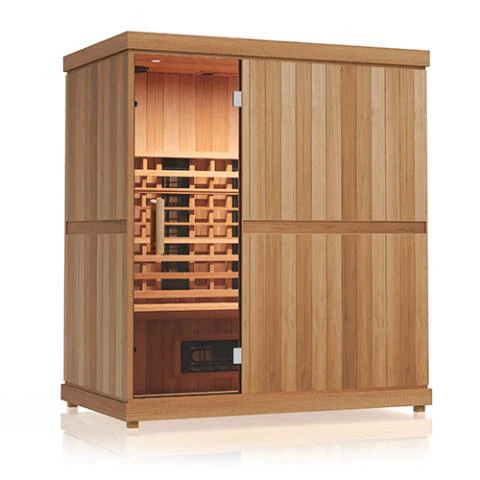
In your quest to build the perfect sauna, you might want to consider the type of wood to use. One option could be the Sunray Tiburon 4-person traditional sauna made from Nordic spruce wood; get more information here. However, if you prefer a more robust option, you can opt for the Vulcana indoor cabin sauna kit which boasts of high-quality hemlock-fir construction. Check it out here for more details.Step into the realm of total wellness with the Finnmark FD-3 Full Spectrum Infrared Sauna.
Unwind, detoxify, and rejuvenate with advanced infrared technology.
Experience the healing benefits and luxurious comfort of your personal infrared sanctuary. Elevate your well-being with the Finnmark FD-3 today!
Frequently Asked Questions about What wood do you use sauna
Which types of wood are commonly used in sauna construction?
Popular choices for sauna wood include Eucalyptus, Basswood, Cedar, and thermo-spruce. Pine is also frequently used due to its cost-efficiency.
Are there any specific woods to avoid in sauna construction?
Avoid using pressure treated woods in sauna construction due to potential chemical concerns under high heat conditions.
What are the benefits of using softwoods in sauna construction?
Softwoods are recommended for saunas due to their flexibility and resistance to moisture damage or warping from heat exposure.
Why choose hardwoods for maintaining a long-burning blaze in a sauna?
Hardwoods are particularly efficient for maintaining a long-burning blaze when heating the sauna, providing sustained heat for extended periods of time.
Can thermally modified wood be used in a sauna construction?
Sauna builders can opt for thermally modified wood species for a unique touch in their constructions, adding an extra level of aesthetic appeal and durability.
How should I choose the best type of wood for my sauna needs?
To select the ideal timber for your sauna, consider factors such as local availability, cost considerations, aesthetic preferences, durability expectations, and any sensitivity or allergy issues with certain types of trees.
Now you know What wood do you use sauna , but that’s only the beginning of your journey here at Sweat N Chill Zone. If you found this post useful there’s more to learn to get you to the next step of your sauna & cold plunge journey. If you read our next articles you’ll be a step further than most people.
Before you go…
Takeaway 1
Wood selection for your sauna is crucial, you want it to be able to handle the heat, last a long time, and be comfy for sitting. Popular choices include Eucalyptus, Basswood, Cedar (especially Western Red Cedar), and thermo-spruce. Pine is also a cost-effective option. In countries like Finland, Aspen, Alder, and Pine are commonly used.Takeaway 2
Softwoods like Hemlock, Nordic Spruce, Common Aspen, and Douglas Fir are frequently used due to their moisture resistance and flexibility in high heat. Some people go for thermally modified wood species for a unique touch. Hardwoods are great for maintaining a long-lasting blaze in your sauna.Takeaway 3
Remember to steer clear of pressure treated woods when building your sauna due to potential chemical concerns under high heat conditions. The best wood type will depend on factors like cost considerations, aesthetics preferences, durability expectations or allergy issues with certain trees. To ensure safety and longevity in your sauna experience prioritize choosing the ideal timber selection tailored to your needs. Curious about the benefits and functions of a sauna? Learn more about what you use a sauna for. And if you’re wondering about safety precautions, find out if you can use a sauna with a pacemaker or with high blood pressure. In terms of maintenance, it’s useful to know when to replace sauna rocks. For those planning to install one at home, understand what is needed for a sauna, and also learn about the recommended frequency, such as how many times you can sauna in a day.Indulge in supreme relaxation with the Enlighten Sauna Sierra 2. Experience the holistic benefits of full-spectrum infrared therapy.
Rejuvenate your body and mind in the comfort of your own home.
Discover true tranquility and elevate your wellness routine with the Enlighten Sauna Sierra 2.


George From Sweat N Chill Zone
George, the passionate founder of Sweat N Chill Zone, is an ardent advocate for holistic wellness through the healing powers of saunas and cold plunges. With a background in health sciences and a fervent dedication to sharing the benefits of thermal therapy, George curates an informative space, offering insights, tips, and expert advice to help individuals optimize their health and well-being through the transformative effects of heat and cold treatments. Through Sweat N Chill Zone, George aims to inspire and educate, fostering a community centered around rejuvenation and vitality.
Download this courtesy guide to optimize your sauna and cold plunge experience and health optimization.
Download the Free Guide Today