Key Takeaways – How Cold Does a Cold Plunge Have to Be
Takeaway 1:
Find your comfort zone: When it comes to cold plunges, the ideal temperature range is between 10-15 degrees Celsius (50-60 degrees Fahrenheit), but don’t be afraid to adjust based on what feels right for you. Start higher and gradually decrease, or go lower for a more intense experience. Listen to your body!
Takeaway 2:
Start slow and build up: If you’re new to cold plunges, ease yourself in with shorter durations in the water. Begin with one minute sessions and work your way up to ten minutes as you become more accustomed. It’s all about gradual progress!
Takeaway 3:
Listen to your body: Above all, pay attention to how you feel during a cold plunge session. Don’t push yourself past your limits just for the sake of it. Temperatures below 59 degrees Fahrenheit can provide therapeutic benefits, but always prioritize your comfort and well-being.
Our #1 Best Recommended Cold Plunge
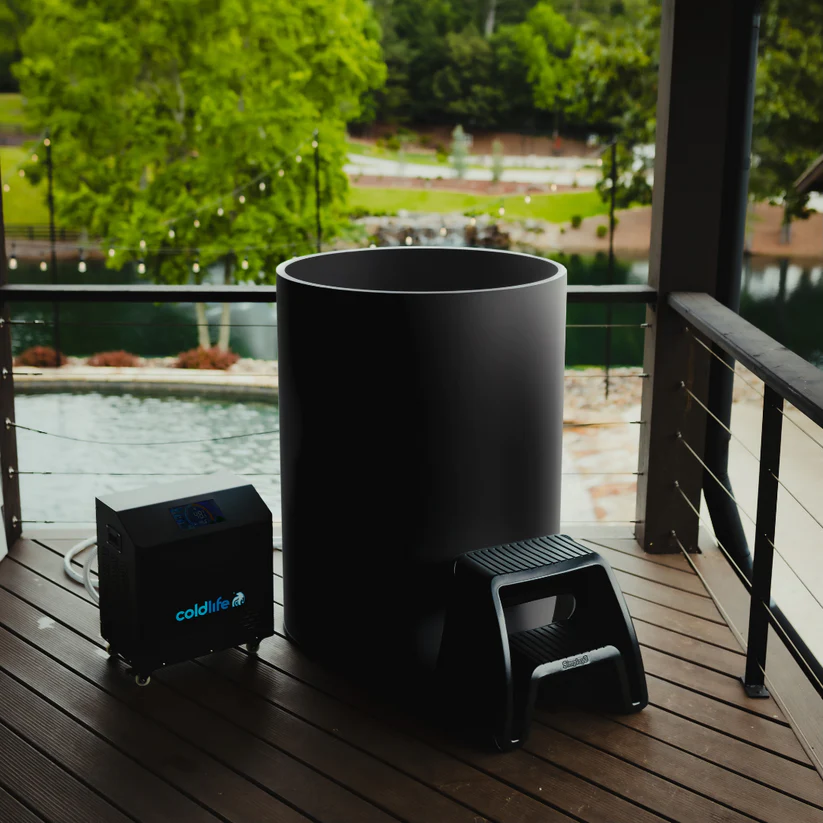
Discover the refreshing experience of our ColdLife Plunge 1 product. For those who seek variety, we have a comprehensive package- our Cold Life Plunge Bundle. Explore these exclusive items today by clicking the links!Are you ready to redefine your limits with cold immersion?
Explore the compelling truth behind cold plunging and its remarkable benefits for mind and body.
Dive into the Cold Life Plunge Bundle now to embark on your journey to revitalization and strength. Transform your life today!

Here’s a Youtube Video about How Cold Does a Cold Plunge Have to Be
“How cold does a cold plunge have to be?” – it’s a question often asked by those exploring this type of hydrotherapy. The ideal temperature range for a cold plunge is generally between 50-59 degrees Fahrenheit (10-15 degrees Celsius).
This range can be adjusted based on individual comfort and tolerance, with beginners advised to gradually decrease the temperature as they acclimate. Lower temperatures in cold plunges come with notable benefits such as reduced inflammation and enhanced recovery. Beginners should initially limit their exposure time, gradually increasing it over time. Importantly, always pay attention to your body’s signals during a cold plunge session to ensure safety and maximize benefits.

Understanding the Ideal Temperature Range for a Cold Plunge
By the way, when it comes to taking a cold plunge, there’s an ideal temperature range you’d want to aim for. It is typically between 10-15 degrees Celsius (50-60 degrees Fahrenheit). However, this is not a hard and fast rule; rather, it serves as a guideline that you can adjust according to your own comfort and cold tolerance levels.
Download this courtesy guide to optimize your sauna and cold plunge experience and health optimization.
Download the Free Guide TodayAdjusting the Cold Plunge Temperature Based on Individual Comfort and Tolerance
You see, people have different reactions to cold temperatures, which mean that what feels comfortable in terms of cold plunge temperature can vary from one individual to another. Now that I think about it, it makes sense then to start with temperatures slightly above the recommended range – say around 60 degrees Fahrenheit – and gradually decrease it over time. This allows your body to acclimate slowly but surely to the colder environment of a cold plunge pool.Starting Points for Beginners: Gradually Decreasing the Temperature
In any case, if you’re new to this form of hydrotherapy – commonly referred as cold water immersion or ice bath temperature adjustment, being cautious is key. Starting at higher temperatures and taking gradual steps down will help your body acclimate more comfortably.Benefits of Lower Temperatures in Cold Plunges
All things considered, while lower temperatures (between 30 to 50 degrees Fahrenheit) may seem intimidating, they actually hold a myriad of health benefits. These colder temperatures are known to activate brown fat and stimulate metabolism, making them a valuable aspect of therapeutic cooling and one of the most effective sports recovery methods.Shorter Durations for Beginners: Increasing Exposure Time Gradually
When it comes to duration in the cold water, starting off with shorter periods – anywhere from one minute – is advisable for beginners. As your body gets more accustomed to the temperature of your cold plunge pool, you can gradually increase this exposure time up to ten minutes.Interpreting Body’s Signals During a Cold Plunge Session
Finally, during all these adjustments and acclimations in your cold plunge temperature, it’s paramount that you listen closely to your body’s signals. If any discomfort arises beyond what feels manageable or normal, it would be wise to step out of the plunge pool. Remember: Every individual’s experience with cold plunges is unique, so don’t feel pressured by others’ experiences or comparisons. Health effects of cold plunges should always lead towards wellness rather than harm.
When it comes to understanding the dynamics of a cold plunge, you need to know how long one can stay in a cold plunge. This critical aspect is comprehensively discussed at sweatnchillzone.com/how-long-can-you-stay-in-a-cold-plunge/, where different durations and their impacts on the body are examined. Understanding the right temperature for a cold plunge is also essential. At sweatnchillzone.com/what-temperature-does-a-cold-plunge-need-to-be/, one can find detailed insights on the needed temperature for an effective cold plunge. Often, people wonder if they can substitute a cold shower for a cold plunge. Sweatchillzone has demystified this on their page about whether a cold shower can be a cold plunge. The discussion provides an in-depth comparison between the two. Another technical aspect of setting up a home-based cold plunge is knowing what kind of chiller to use. Thankfully, sweatnchillzone provides useful information about the type of chiller used in creating an ideal cold plunge environment. Head over to this page: sweatnchillzone.com/what-chiller-does-the-cold-plunge-use/ for more info. Finally, the duration of a typical cold plunge is a common query among beginners. Sweatnchillzone covers this in their discussion on how long a typical cold plunge lasts. You’ll find this information at sweatnchillzone.com/how-long-is-a-cold-plunge/. Reading these linked articles can give one a comprehensive understanding of everything one needs to know about successful and beneficial cold plunges.
My Personal Take about How Cold Does a Cold Plunge Have to Be
Hello there, my friends! You may know me as George, the go-to guy for everything you’ve ever wanted to know about saunas and cold plunges.
Today, we’re tackling one of the most frequently asked questions I get: “how cold does a cold plunge have to be?” In any case, this isn’t just a simple question to answer – there’s some chilling truths hidden behind it!
- Now that I think about it, the ideal temperature for a cold plunge can range from an icy 45°F to a slightly more tolerable 55°F.
- The key is consistency – you don’t want your body getting too comfortable with one specific temperature.
You see, braving these frosty waters has some incredible benefits – from increased circulation and improved immunity to elevated mood levels.
Words of Advice: Give it a try and you might just find your own slice of tranquility in the chilling embrace of a cold plunge or amidst the soothing warmth of a sauna. The experience is something truly unique and invigorating. So here’s hoping this inspires some curiosity in you all. Who knows? You might become as much of an enthusiast as I am!Cheers!
Our #1 Best Recommended Cold Plunge for most People
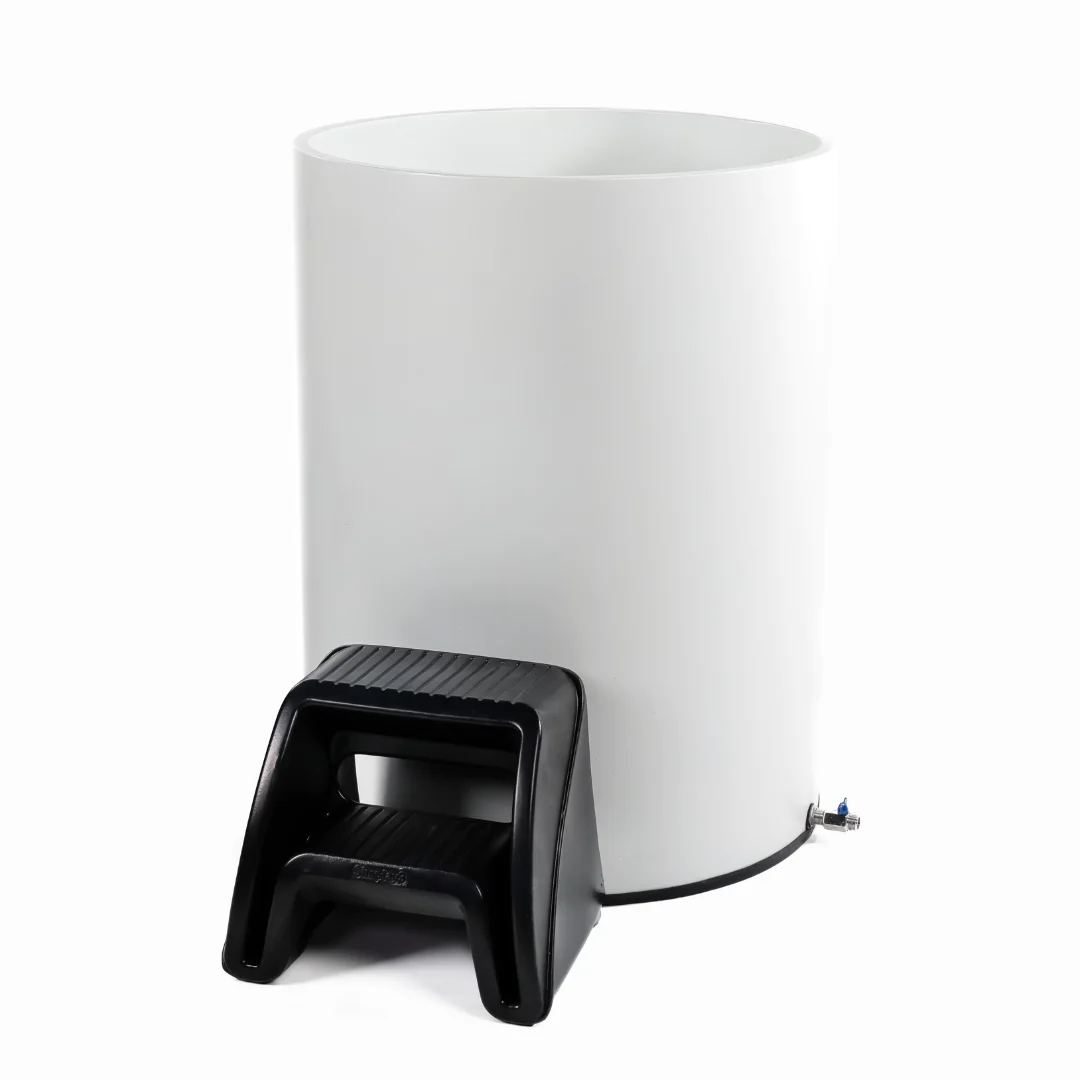
Wondering how cold your plunge pool needs to be? Discover the chilling truths in our comprehensive guide. For an excellent option, consider the ColdLife Plunge 1 , or for a complete package, check out our ColdLife Plunge Bundle .Discover the unparalleled benefits of cold immersion with ColdLife Plunge 1. Unleash your full potential with our innovative cold plunging solution. Explore the transformative effects on your body and mind. Elevate your lifestyle with ColdLife Plunge 1 today!
Frequently Asked Questions about How Cold Does a Cold Plunge Have to Be
What is the ideal temperature range for a cold plunge?
The ideal temperature range for a cold plunge is between 10-15 degrees Celsius (50-60 degrees Fahrenheit).
Can I adjust the temperature of a cold plunge based on my comfort level?
Yes, you should adjust the temperature based on your individual comfort and cold tolerance levels.
Should I start with higher or lower temperatures for a cold plunge?
Some recommend starting with higher temperatures around 60 degrees Fahrenheit and gradually decreasing it, while others suggest lower temperatures between 30 to 50 degrees Fahrenheit for more experienced users.
What are the therapeutic benefits of colder water in a cold plunge?
Temperatures below 59 degrees Fahrenheit are associated with activating brown fat and stimulating metabolism, providing therapeutic benefits.
How long should I stay in a cold plunge?
Guidelines typically advise durations anywhere from one minute up to ten minutes, but listen to your body’s signals and never push yourself beyond your comfort zone.
Any tips for beginners taking a cold plunge?
Start with shorter durations in the cold water and gradually increase exposure time as you become more accustomed to it. Remember to pay attention to your body’s signals and never push yourself too far.
Now you know How Cold Does a Cold Plunge Have to Be , but that’s only the beginning of your journey here at Sweat N Chill Zone. If you found this post useful there’s more to learn to get you to the next step of your sauna & cold plunge journey. If you read our next articles you’ll be a step further than most people.
Before you go…
Takeaway 1:
Find your comfort zone: When it comes to cold plunges, the ideal temperature range is between 10-15 degrees Celsius (50-60 degrees Fahrenheit), but don’t be afraid to adjust based on what feels right for you. Start higher and gradually decrease, or go lower for a more intense experience. Listen to your body!
Takeaway 2:
Start slow and build up: If you’re new to cold plunges, ease yourself in with shorter durations in the water. Begin with one minute sessions and work your way up to ten minutes as you become more accustomed. It’s all about gradual progress!
Takeaway 3:
Listen to your body: Above all, pay attention to how you feel during a cold plunge session. Don’t push yourself past your limits just for the sake of it. Temperatures below 59 degrees Fahrenheit can provide therapeutic benefits, but always prioritize your comfort and well-being.
To begin your journey towards a healthier lifestyle, learn about the beneficial process of cold plunge transformations and the best way to start a cold plunge. Then, find out what the optimal cold plunge temperature is, explore the most effective methods to cold plunge, and understand how it helps manage free radicals in your body.
George From Sweat N Chill Zone
George, the passionate founder of Sweat N Chill Zone, is an ardent advocate for holistic wellness through the healing powers of saunas and cold plunges. With a background in health sciences and a fervent dedication to sharing the benefits of thermal therapy, George curates an informative space, offering insights, tips, and expert advice to help individuals optimize their health and well-being through the transformative effects of heat and cold treatments. Through Sweat N Chill Zone, George aims to inspire and educate, fostering a community centered around rejuvenation and vitality.
Download this courtesy guide to optimize your sauna and cold plunge experience and health optimization.
Download the Free Guide Today