
Key Takeaways – What can you use for a cold plunge?
Takeaway 1: DIY Cold Plunge
If you’re looking for a quick and easy way to experience the benefits of cold water immersion therapy, why not try a DIY cold plunge? Just fill up your bathtub with some icy cold water, add in some ice cubes or frozen water bottles, and voila! You have your very own homemade plunge. Plus, using frozen water bottles is a genius hack because they last longer and can be reused. Talk about resourcefulness!
Takeaway 2: Dedicated Tub or Pool
If you’re serious about incorporating cold plunges into your wellness routine and want something more long-term, investing in a specialized tub or pool might be the way to go. These fancy options like the Cold Plunge or Sun Home Cold Plunge Pro not only keep the water cool but also come with cool features like filtration and sanitization. And if you’re always on the go or just tight on space, there are even inflatable options available like the Tru Grit Inflatable Ice Bath. Convenience at its finest!
Takeaway 3: Stock Tanks and Chillers
Okay, so maybe you don’t want to splurge on a dedicated plunge tub or pool. No worries! Another option is to get yourself a sturdy stock tank typically used for farm animals. These tanks are built tough and come in different sizes that fit your plunging needs perfectly. Now, if you want to take things up a notch without constantly adding more ice to keep the temperature chilly, consider using chillers specially designed for personal use. Brands like Active Aqua and Penguin have got you covered with their appropriately sized chillers that’ll keep your water consistently icy cold. In conclusion, whether you’re going down the DIY route or opting for specialized equipment, taking regular cold plunges can bring numerous health benefits like soothing sore muscles after workouts, reducing inflammation, and even giving you an endorphin-induced mood boost. However, it’s always important to listen to your body and seek professional advice if you have any underlying health conditions. Now go ahead and take the plunge into a world of invigorating cold water therapy!
Here’s a Youtube Video about What can you use for a cold plunge?
When it comes to DIY cold plunge techniques, there are several options you can consider. A dedicated tub or pool is an ideal choice for regular plunges, delivering a controlled environment that can significantly enhance your experience.
Alternatively, stock tanks offer a more budget-friendly approach and are easy to setup for cold plunge therapy. To maintain the required low temperatures, the use of chillers plays a crucial role, providing consistent cooling to ensure optimal benefits from each session.
It’s important to have an effective strategy in place before embarking on cold plunge therapy, including gradual exposure and post-plunge warm-ups. While this practice has numerous health benefits like increased circulation and enhanced immune response, precautions should be taken such as avoiding plunges if you have heart conditions or high blood pressure. So when asked “what can you use for a cold plunge”, consider these methods tailored to your personal needs and safety. 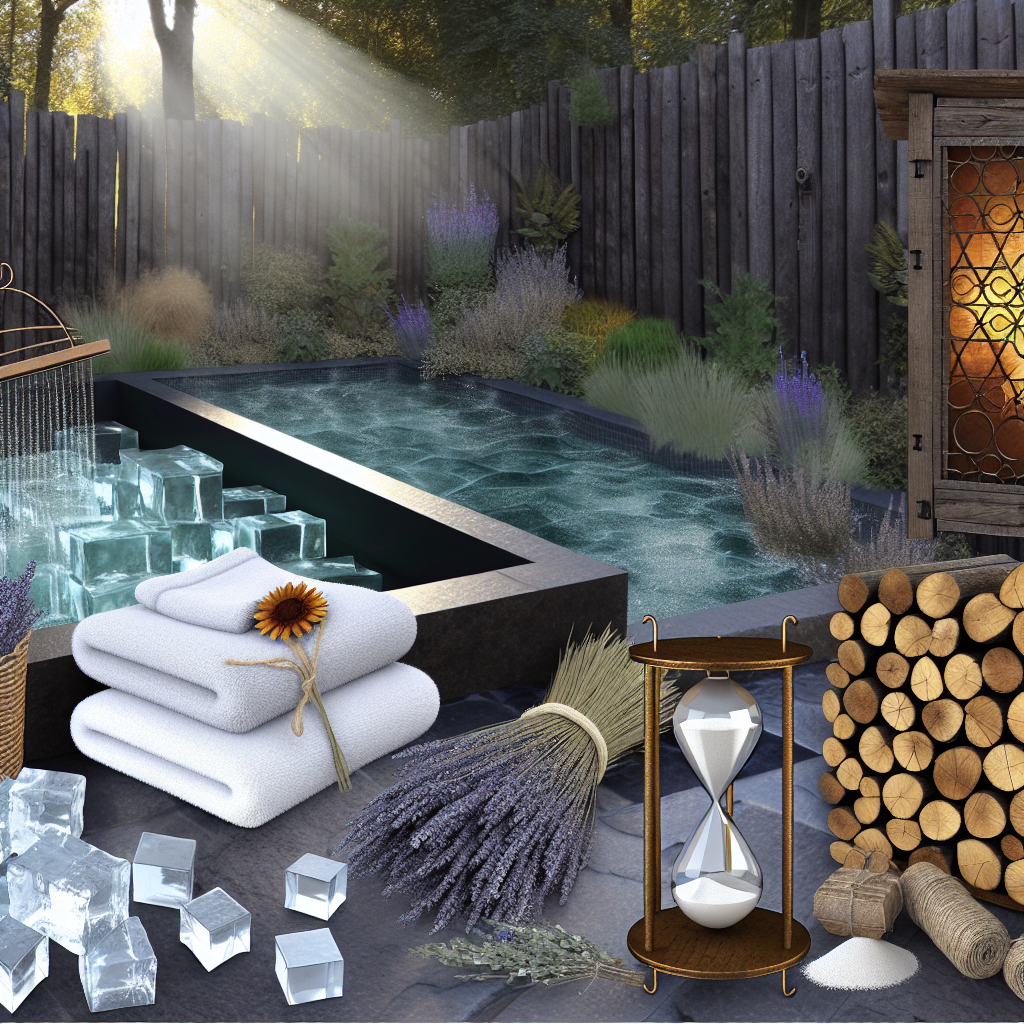
Understanding DIY Cold Plunge Techniques
Have you ever thought about leveraging the bounty of Mother Nature for a refreshing and revitalizing cold soak therapy?
Yes, you got it right. I’m talking about a self-created cold plunge using your very own bathtub. It’s not only practical but also incredibly cost-effective.
.You see, it starts with filling your tub with cold water. Then, you simply add ice until it hits your preferred temperature for a satisfying chilly dip. By the way, rather than standard ice cubes, try using frozen water bottles – they melt slower and can be reused.
Dedicated Tub or Pool: Stepping Up Your Cold Plunge Game
Now that I think about it, if you are serious about this exciting avenue of cold therapy, investing in a dedicated cold plunge tub might be worthwhile.
Incomparably superior to DIY methods, these specialized tubs such as the illustrious ‘Cold Plunge’ or ‘Sun Home Cold Plunge Pro’, offer intriguing features that cool, filter and sanitize the water for reuse.
For those seeking portability and easy storage without compromising on quality, contemplate an inflatable solution like the “Tru Grit Inflatable Ice Bath”. There’s no need to deny yourself the luxury of a sophisticated cold immersion experience.
Pondering Stock Tanks as an Alternative for Cold Soaks
In any case, another option worth exploring is purchasing a structural foam stock tank typically used on farms for animal watering purposes.
These robust tanks provide longevity coupled with versatility in size options perfect for a rejuvenating cold tub. Consider this as an opportunity to convert agricultural utility into effective therapeutic use.
The Unsung Heroes: Chillers in Cold Therapy
All things considered, maintaining consistently cold water without the perpetual chore of adding ice is a game-changer, right?
Here’s where chillers come into play. Brands like ‘Active Aqua’ or ‘Penguin’ offer perfectly sized chillers for personal use allowing you to achieve this goal with minimal fuss. These handy devices are key to a seamless ice bath routine.

Download this courtesy guide to optimize your sauna and cold plunge experience and health optimization.
Download the Free Guide TodayEffective Strategies for Embarking on Cold Plunge Therapy
You see, embarking on this journey demands preparation and patience. Always have your post-bath towel and clothing ready in advance.
Aim to submerge your entire body and even briefly dunk your head to maximize benefits of the polar plunge.
Start with temperatures between 50°F and 60°F if you’re new; it’s always best to ease into it. Gradually build up your tolerance by increasing duration spent in the cold water.
Health Benefits and Precautions when Performing Cold Plunges
Apart from being an exhilarating experience, cold plunges offer numerous health benefits.
We’re talking about easing sore muscles after grueling workouts, beneficial in reducing core body temperature during heatwaves or feverish conditions, aiding muscle recovery, reducing inflammation and potentially enhancing mental clarity – thanks to the endorphin kick it provides!
However, always listen to your body’s signals and consult with health professionals if you have underlying health conditions that could be negatively impacted by extreme temperatures.
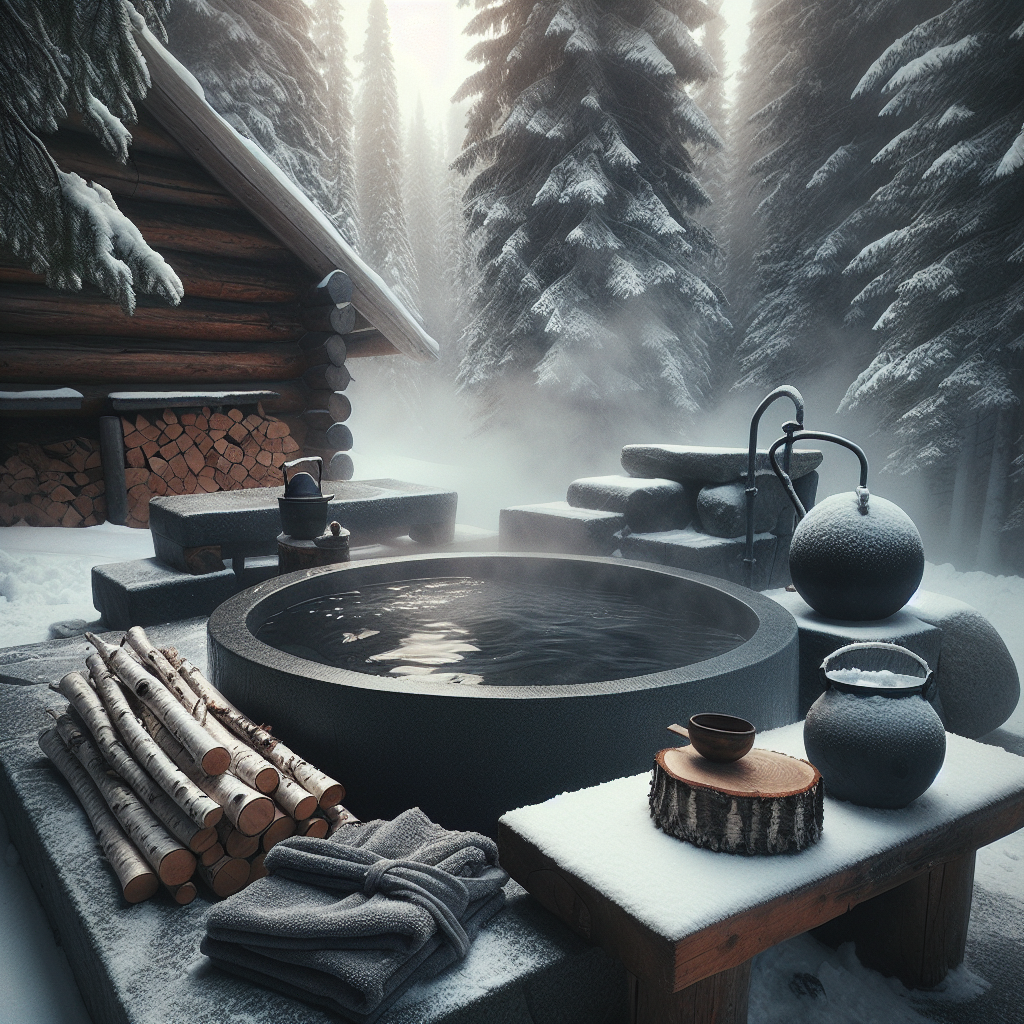
Considering different methods for a cold plunge? You may want to explore the type of chiller used in a cold plunge. Knowing the mechanics behind your cold plunge can offer valuable insights into improving your experience and results.
Besides, if you’re looking for alternatives to a conventional cold plunge setup, you might find it interesting that some individuals have creatively repurposed their bathtubs or deep freezers.
Discover whether making your bathtub a cold plunge or using a deep freezer for a cold plunge could be feasible options for your needs. Moreover, considering the timing of your sessions can play an important role in obtaining the benefits of this practice.
The best time of day to do a cold plunge might surprise you and further optimize your well-being journey. +
My Personal Take about What can you use for a cold plunge?
Hey, friend!
It’s me, George, your go-to guy when it comes to the world of saunas and cold plunges.
Now that I think about it, one of the most common inquiries I receive is “what can you use for a cold plunge“.
In any case, there are numerous innovative solutions you can utilize that won’t break the bank – from converting an old freezer into a makeshift tub or simply investing in a commercial-grade cold plunge pool if your budget allows.
- An old freezer: A clean and well-insulated (for safety) second-hand chest freezer can be filled with water and maintained at low temperatures perfect for refreshing plunges.
- A commercial-grade pool: Though more costly but with excellent durability and temperature control features.
Words of advice; always remember to monitor the temperature regularly and ensure everything is safe before immersing yourself!
You see, there’s something incredibly invigorating about alternating between the soothing heat of a sauna and the refreshing chill of a cold plunge.
I hope this inspires you to dive into this exciting world – after all, every dip is an opportunity for relaxation and rejuvenation!
Frequently Asked Questions about What can you use for a cold plunge?
FAQs About Cold Plunges
1. Can I use a bathtub for a cold plunge?
Yes, you can easily turn your bathtub into a DIY cold plunge by filling it with cold water and adding ice until you reach your desired temperature.
2. What are some dedicated options for cold plunging?
There are specialized tubs, like the Cold Plunge or Sun Home Cold Plunge Pro, that come equipped with features to cool, filter, and sanitize the water for repeated use. Inflatable options like the Tru Grit Inflatable Ice Bath are also available for portability.
3. Can I use stock tanks for cold plunging?
Yes! Structural foam stock tanks commonly used on farms make excellent options for cold plunges due to their durability and range of available sizes.
4. How can I maintain consistent cold temperatures without constantly adding ice?
Consider using chillers made by brands like Active Aqua or Penguin, which are appropriately sized for personal use and can keep the water consistently cold.
5. What should I keep in mind when taking a cold plunge?
Remember to prepare your post-bath towel and clothing beforehand. Make sure to fully submerge your entire body, including briefly dunking your head if possible, as it increases the benefits. Start with shorter durations in the cold water and gradually work up your tolerance.
6. What are the health benefits of cold plunges?
Cold plunges offer various advantages such as easing sore muscles after workouts, reducing core body temperature during heatwaves or after feverish conditions, aiding muscle recovery and reducing inflammation. They can also improve mood through endorphin release and potentially enhance mental clarity. Always pay attention to your body’s signals while engaging in this therapy, and consult with health professionals if you have any underlying health conditions that may be affected negatively by extreme temperatures.
Now you know What can you use for a cold plunge? , but that’s only the beginning of your journey here at Sweat N Chill Zone. If you found this post useful there’s more to learn to get you to the next step of your sauna & cold plunge journey. If you read our next articles you’ll be a step further than most people.
Before you go…
Takeaway 1: DIY Cold Plunge
If you’re looking for a quick and easy way to experience the benefits of cold water immersion therapy, why not try a DIY cold plunge? Just fill up your bathtub with some icy cold water, add in some ice cubes or frozen water bottles, and voila! You have your very own homemade plunge. Plus, using frozen water bottles is a genius hack because they last longer and can be reused. Talk about resourcefulness!
Takeaway 2: Dedicated Tub or Pool
If you’re serious about incorporating cold plunges into your wellness routine and want something more long-term, investing in a specialized tub or pool might be the way to go. These fancy options like the Cold Plunge or Sun Home Cold Plunge Pro not only keep the water cool but also come with cool features like filtration and sanitization. And if you’re always on the go or just tight on space, there are even inflatable options available like the Tru Grit Inflatable Ice Bath. Convenience at its finest!
Takeaway 3: Stock Tanks and Chillers
Okay, so maybe you don’t want to splurge on a dedicated plunge tub or pool. No worries! Another option is to get yourself a sturdy stock tank typically used for farm animals. These tanks are built tough and come in different sizes that fit your plunging needs perfectly. Now, if you want to take things up a notch without constantly adding more ice to keep the temperature chilly, consider using chillers specially designed for personal use. Brands like Active Aqua and Penguin have got you covered with their appropriately sized chillers that’ll keep your water consistently icy cold. In conclusion, whether you’re going down the DIY route or opting for specialized equipment, taking regular cold plunges can bring numerous health benefits like soothing sore muscles after workouts, reducing inflammation, and even giving you an endorphin-induced mood boost. However, it’s always important to listen to your body and seek professional advice if you have any underlying health conditions. Now go ahead and take the plunge into a world of invigorating cold water therapy!
Discover various methods on what you can use for a cold plunge to boost your health and wellness.

George From Sweat N Chill Zone
George, the passionate founder of Sweat N Chill Zone, is an ardent advocate for holistic wellness through the healing powers of saunas and cold plunges. With a background in health sciences and a fervent dedication to sharing the benefits of thermal therapy, George curates an informative space, offering insights, tips, and expert advice to help individuals optimize their health and well-being through the transformative effects of heat and cold treatments. Through Sweat N Chill Zone, George aims to inspire and educate, fostering a community centered around rejuvenation and vitality.
Download this courtesy guide to optimize your sauna and cold plunge experience and health optimization.
Download the Free Guide Today

