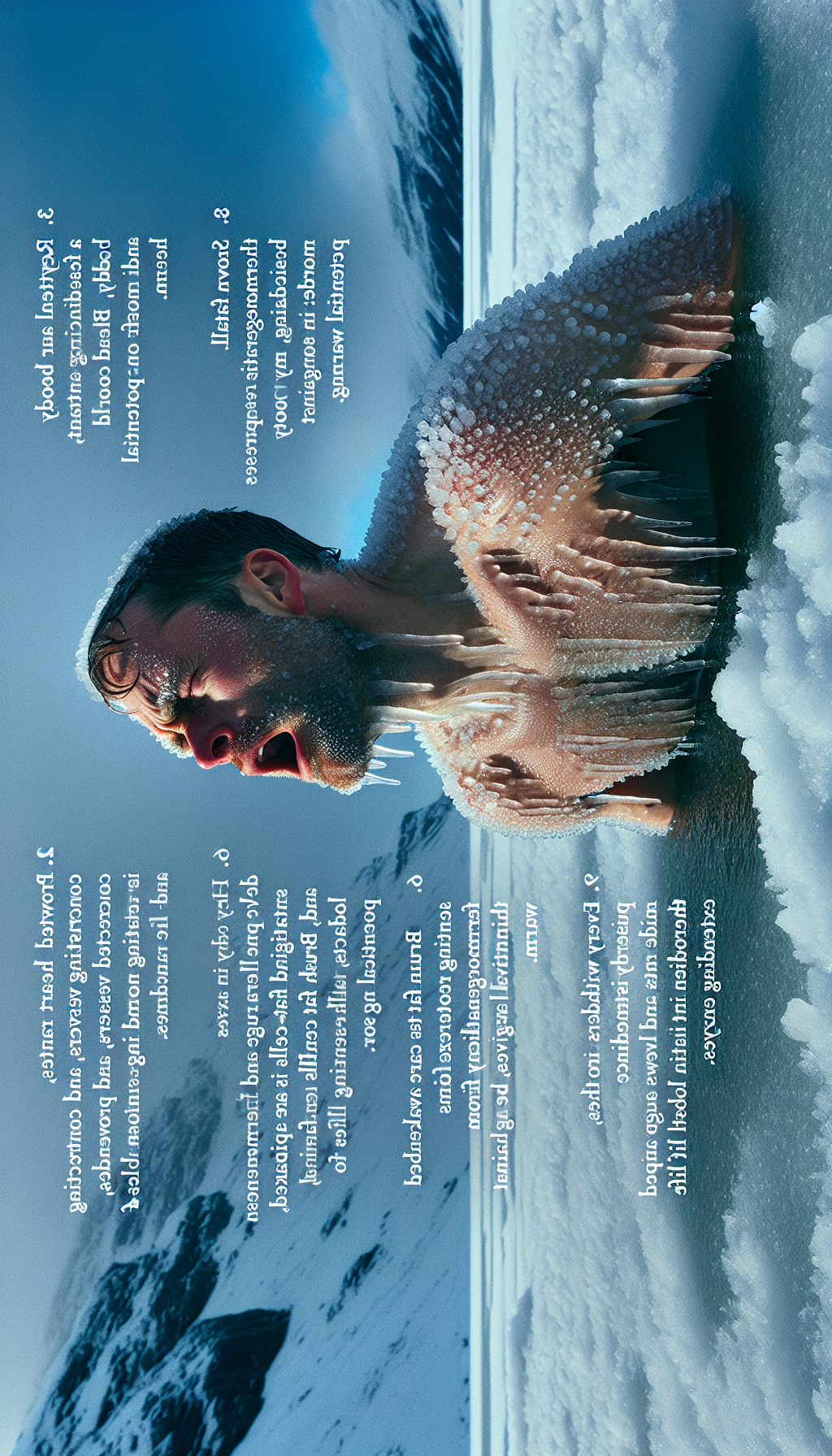
Key Takeaways – Cold plunge or ice bath
Takeaways:
1. Cold plunges are a great starting point for beginners or those who are sensitive to the cold. If you’re new to cold water therapy or find it challenging to handle freezing temperatures, a cold plunge might be a better option for you. With temperatures ranging between 50-60°F (10-15°C), they offer the benefits of cryotherapy at a milder intensity. Plus, they’re easier to maintain consistent temperatures compared to ice baths. 2. Ice baths provide more intense cryotherapy and yield faster results for muscle recovery. If your goal is to maximize the benefits of cryotherapy and speed up muscle recovery, then ice baths are your go-to option. By fully submerging your body in icy-cold water, typically around 59°F (15°C), ice baths offer more intense treatment. They may require some extra effort in terms of preparation and clean-up, but their effectiveness is worth it. 3. Your tolerance level for cold temperature should guide your choice between the two forms of cryotherapy. Before deciding which method suits you best, consider how well you handle cold temperatures currently. Starting with a less intense practice like cold plunges can help ease your transition into more rigorous therapies like ice baths over time. Remember that everyone’s preferences and needs vary, so choose the one that feels most comfortable for you. It’s important to remember that these takeaways serve as general guidelines and should not replace professional advice or consultation with a healthcare professional or therapist. Every individual reacts differently to different treatments, so listen to your body and monitor its responses during and after each session closely. Now go ahead and venture into the icy waters of cryotherapy!Our #1 Best Recommended Cold Plunge
1. Get ready to experience a whole new level of refreshment in The Cold Life. 2. Our The Cold Life section offers a variety of ways to cool down and rejuvenate your senses. 3. Dive into the awesome world of cooling solutions with our The Cold Life selections.Are you ready to redefine your limits with cold immersion?
Explore the compelling truth behind cold plunging and its remarkable benefits for mind and body.
Dive into the Cold Life Plunge Bundle now to embark on your journey to revitalization and strength. Transform your life today!

Here’s a Youtube Video about Cold plunge or ice bath
Understanding the Science Behind Cold Plunge and Ice Baths explores the differences between these two forms of cryotherapy, their potential health and wellness benefits, and who might opt for one over the other.
It provides practical advice on preparing for your first cold plunge or ice bath experience, as well as important cautions and precautions to take before engaging in these techniques. Whether you’re a professional athlete or simply someone interested in boosting their overall well-being, this guide will help you navigate the world of cold therapy with confidence and knowledge.
Get ready to dive into the invigorating world of cold plunge and ice baths, where science meets holistic health practices to potentially improve physical performance, boost recovery, enhance wellness and achieve overall better health.
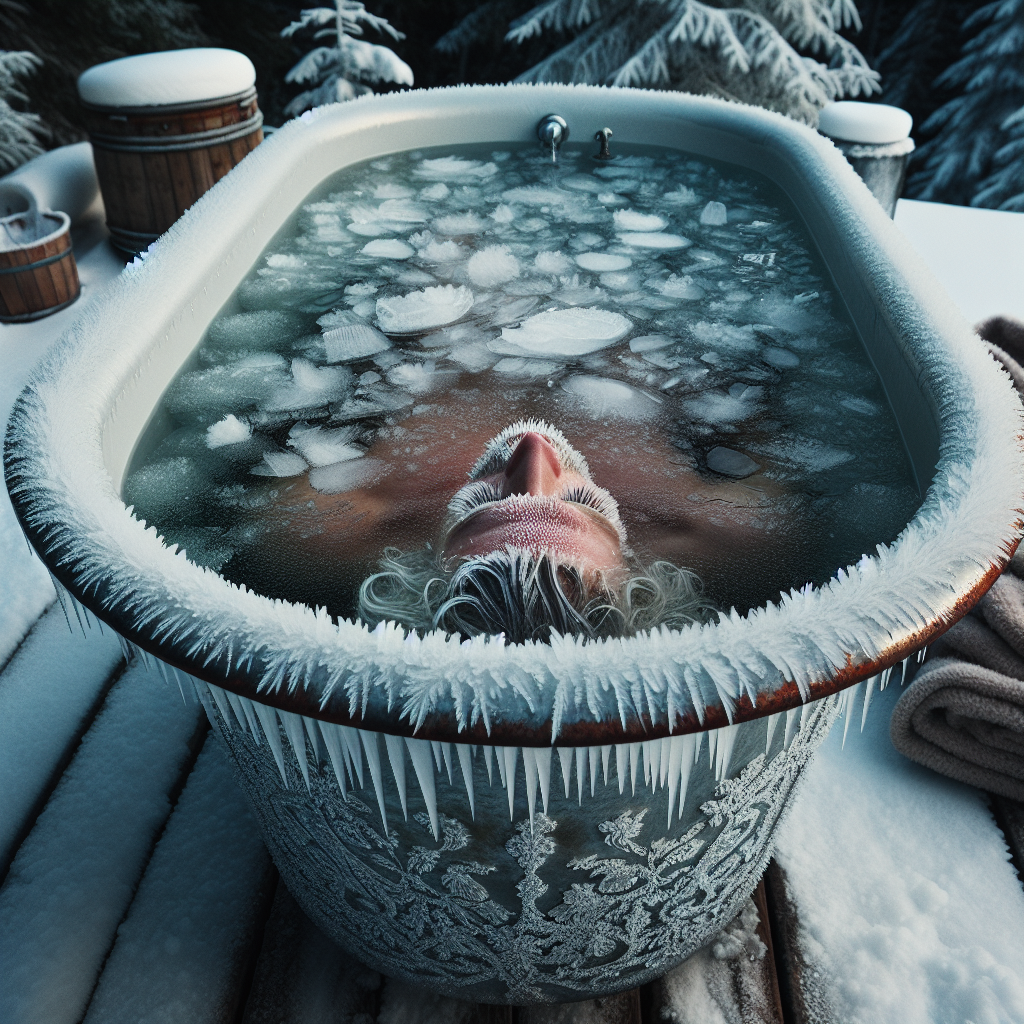
Understanding the Science Behind Cold Plunge and Ice Baths
If you’re looking to introduce a new recovery method into your wellness routine, then you’ve likely heard of cold therapy in forms like cold plunge and ice baths. So what’s the science backing them? By the way, both techniques fall under the broader category of cryotherapy, but their application varies in terms of intensity.
Cold water immersion, whether via a cold plunge or ice bath, exposes your body to chilly temperatures ranging between 50-60°F (10-15°C) for cold plunges and freezing 59°F (15°C) for ice baths. This exposure causes vasoconstriction therapy, which can lead to numerous benefits on your health and wellness.

Download this courtesy guide to optimize your sauna and cold plunge experience and health optimization.
Download the Free Guide TodayThe Differences Between Cold Plunge and Ice Baths
Now that I think about it, though both practices share the commonality of using frigid water for therapy, they differ significantly in terms of execution. A cold plunge involves immersing most of your body in mildly cold water usually between 50-60°F (10-15°C), while an ice bath is much more intense with water chilled as low as 59°F (15°C) using an electric chiller unit or filled with actual ice cubes.
In any case, another factor to consider is that maintaining consistent temperatures can be easier with cold plunges than with ice baths.Potential Health and Wellness Benefits of Cold Plunge and Ice Baths
Whether you opt for a cold plunge or an ice bath, the health benefits can be extensive. All things considered, some potential outcomes include improved workout recovery, mood enhancement, pain reduction, stress relief, inflammation reduction and resilience increase. Additionally, sports recovery can be faster when you incorporate either technique into your post-workout routine.
Who Should Opt for a Cold Plunge Over an Ice Bath?
You see, if you’re a beginner in cold therapy or you find yourself sensitive to cold temperatures, a cold plunge could be better suited for your needs. This method is less intense than ice baths and arguably easier to get used to.
Preparing for Your First Cold Plunge or Ice Bath Experience
When it comes to preparing for your first cold tub or ice tub, remember that there’s more work involved with an ice bath. You’ll need supplies like ice cubes and have some clean up involved afterwards. But this little extra effort can lead to faster result especially in terms of muscle recovery.
Cautions and Precautions to Take Before Engaging in Cryotherapy
Facing thermal stress as part of cryotherapy should never be done without professional advice. Even though these techniques offer oxidative stress relief alongside many other benefits, ensuring safety is paramount.

Taking a cold plunge can be a reinvigorating experience, but is 10 minutes too long? This practice has numerous benefits, but understanding its potential risks is equally important. In particular, you need to consider the duration and temperature of your cold plunge sessions to ensure you are maximizing the benefits while mitigating any potential health risks. For instance, how cold is too cold for a cold plunge? Understanding these specifics will enhance your overall well-being and effectiveness of the practice. Cold plunges differ from other methods of cold therapy such as an ice bath in several ways. If you’re curious about what happens when you transition from one extreme temperature environment to another, like going from a sauna to a cold plunge, our posts on sweatnchillzone.com delve into that topic. In addition, if wondered about possible health implications like whether or not a cold plunge is bad for your heart, we explore that as well. Finally, if curiosity has struck you about the overall physiological effects of this practice on your body; our post: “What does Cold Plunge do to your body” provides comprehensive insight. Furthermore, cold plunge’s impact on brown fat is also discussed in our post: “What does Cold Plunge do to Brown Fat“. Understanding these details will aid in achieving a balanced and beneficial cold plunge routine.
My Personal Take about Cold plunge or ice bath
Hey there, my friend! Your trusted sauna and cold plunge expert George is back with a fresh take on an old debate: ‘cold plunge or ice bath’. Now that I think about it, both these rejuvenating practices have unique benefits. In any case, if you’re looking to soothe your tired muscles or stimulate blood flow, you wouldn’t go wrong with either option.
Moving on, here’s a tidbit you might find interesting: a well-built sauna paired with regular cold plunges can elevate your wellness routine tremendously. Words of advice though, when it comes to deciding between a cold plunge and an ice bath, always consider what works best for your body and lifestyle.
You see, the vibrancy and vigor that saunas and cold plunges bring – there really is nothing like it. It’s time to say hello to improved health and wellness! And who knows? Maybe you’ll discover a new passion in the process! Let’s dive in!
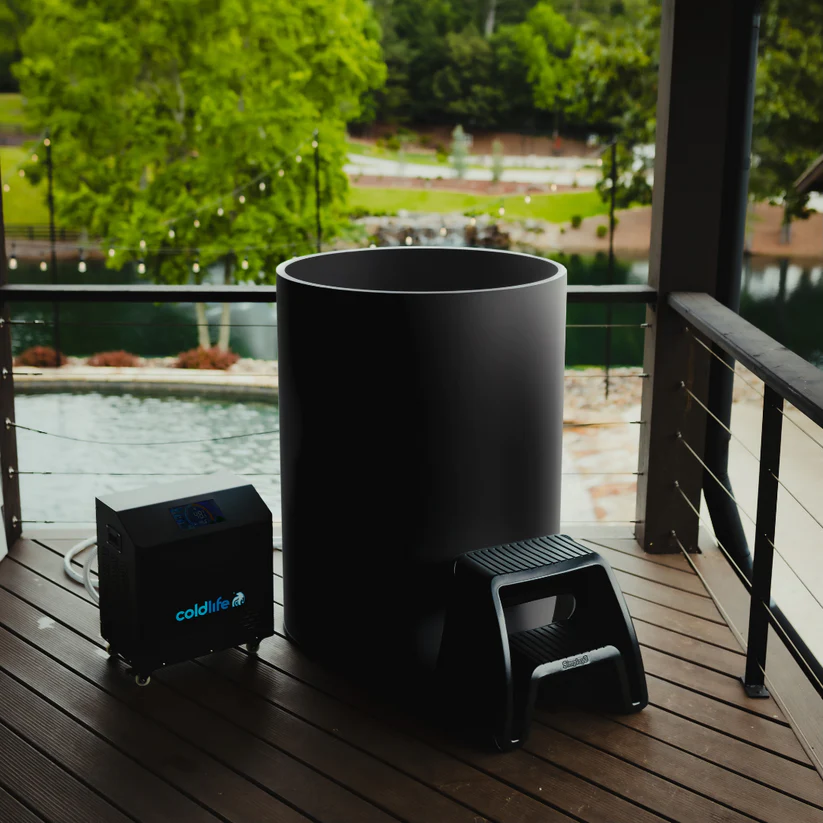
Our #1 Best Recommended Cold Plunge for most People
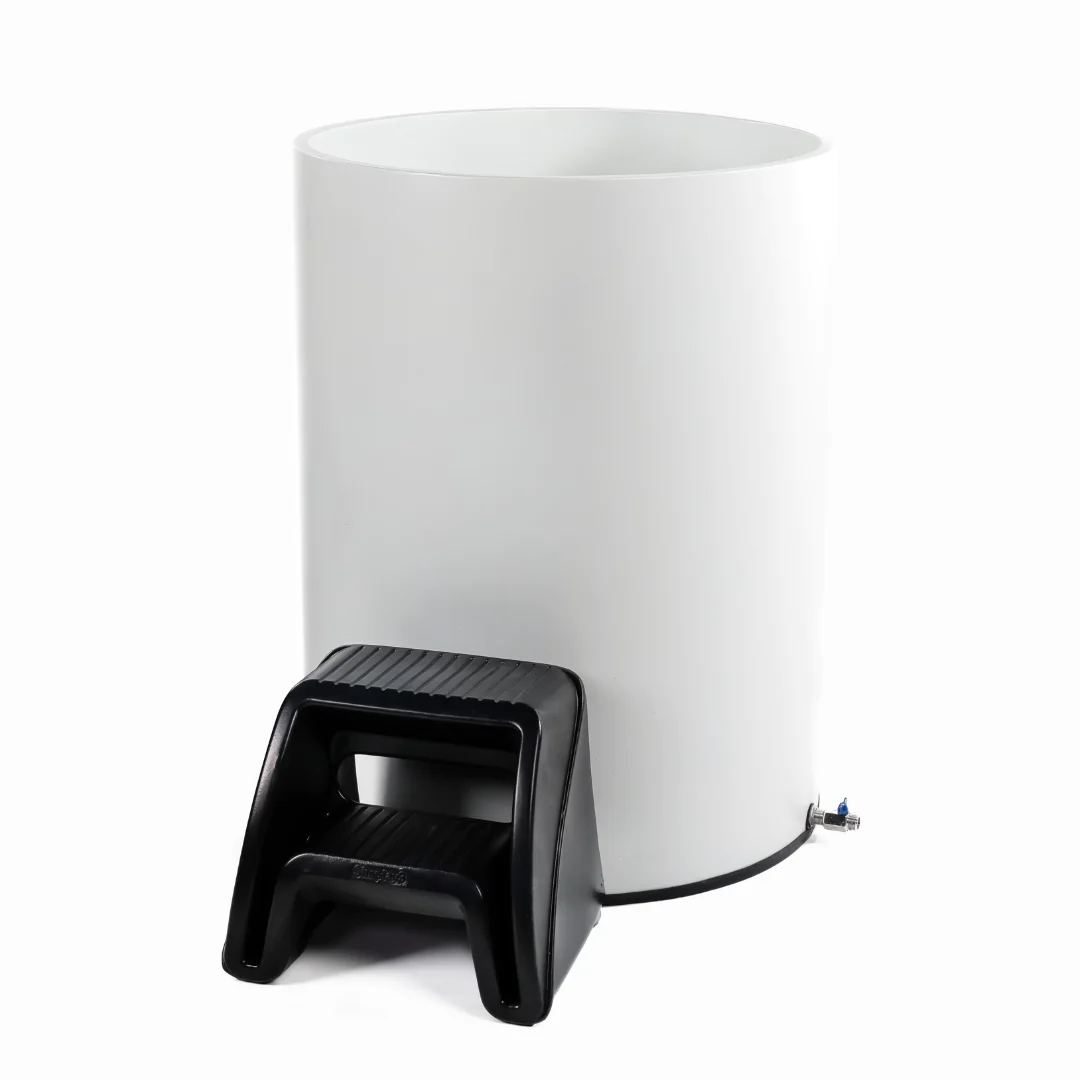
In the pursuit of health and wellness, many are turning to cold therapies like cold plunges and ice baths. Read more about the benefits of these methods on our blog post titled, The Cold Life. Dive deeper into the debate between cold plunge and ice bath – which one is truly better for your overall wellbeing?Discover the unparalleled benefits of cold immersion with ColdLife Plunge 1. Unleash your full potential with our innovative cold plunging solution. Explore the transformative effects on your body and mind. Elevate your lifestyle with ColdLife Plunge 1 today!
Frequently Asked Questions about Cold plunge or ice bath
1. What is the difference between a cold plunge and an ice bath?
Cold plunges involve immersing your body in water with temperatures between 50-60°F, while ice baths require fully submerging your body in icy-cold water that may be filled with actual ice cubes or chilled to about 59°F using an electric chiller unit.
2. Which one is better for beginners or those sensitive to the cold?
For beginners or those sensitive to cold temperatures, cold plunges are often better suited as they are less intense and easier to tolerate.
3. Are there any specific benefits to expect from these treatments?
Both cold plunges and ice baths can offer benefits such as improved workout recovery, mood enhancement, pain reduction, stress relief, inflammation reduction, faster recovery time, and increased resilience.
4. Does one offer faster results than the other?
Ice baths tend to offer faster results, especially when it comes to muscle recovery. The intense cryotherapy treatment provided by ice baths can yield quicker benefits compared to cold plunges.
5. Do I need any special preparation for an ice bath?
Yes, ice baths require more preparation as you need to gather ice and clean up afterward. This extra work makes them slightly costlier compared to cold plunges.
6. How should I determine which method is best for me?
The deciding factor between a cold plunge and an ice bath often comes down to personal needs and preferences. Consider your tolerance level for colder temperatures and start with a lower temperature if needed for an easier transition over time. Remember to consult with a professional before starting any new therapy and carefully monitor how your body reacts during and after each session.
Now you know Cold plunge or ice bath , but that’s only the beginning of your journey here at Sweat N Chill Zone. If you found this post useful there’s more to learn to get you to the next step of your sauna & cold plunge journey. If you read our next articles you’ll be a step further than most people.
Before you go…
Takeaways:
1. Cold plunges are a great starting point for beginners or those who are sensitive to the cold. If you’re new to cold water therapy or find it challenging to handle freezing temperatures, a cold plunge might be a better option for you. With temperatures ranging between 50-60°F (10-15°C), they offer the benefits of cryotherapy at a milder intensity. Plus, they’re easier to maintain consistent temperatures compared to ice baths. 2. Ice baths provide more intense cryotherapy and yield faster results for muscle recovery. If your goal is to maximize the benefits of cryotherapy and speed up muscle recovery, then ice baths are your go-to option. By fully submerging your body in icy-cold water, typically around 59°F (15°C), ice baths offer more intense treatment. They may require some extra effort in terms of preparation and clean-up, but their effectiveness is worth it. 3. Your tolerance level for cold temperature should guide your choice between the two forms of cryotherapy. Before deciding which method suits you best, consider how well you handle cold temperatures currently. Starting with a less intense practice like cold plunges can help ease your transition into more rigorous therapies like ice baths over time. Remember that everyone’s preferences and needs vary, so choose the one that feels most comfortable for you. It’s important to remember that these takeaways serve as general guidelines and should not replace professional advice or consultation with a healthcare professional or therapist. Every individual reacts differently to different treatments, so listen to your body and monitor its responses during and after each session closely. Now go ahead and venture into the icy waters of cryotherapy! If you’re unsure of just how cold your cold water plunge should be, our guide on how cold is too cold for a cold water plunge will help. After that, learn about what happens when you take a cold plunge, the best way to do a cold plunge, and finally, where to find the most affordable options for your own home setup.
George From Sweat N Chill Zone
George, the passionate founder of Sweat N Chill Zone, is an ardent advocate for holistic wellness through the healing powers of saunas and cold plunges. With a background in health sciences and a fervent dedication to sharing the benefits of thermal therapy, George curates an informative space, offering insights, tips, and expert advice to help individuals optimize their health and well-being through the transformative effects of heat and cold treatments. Through Sweat N Chill Zone, George aims to inspire and educate, fostering a community centered around rejuvenation and vitality.
Download this courtesy guide to optimize your sauna and cold plunge experience and health optimization.
Download the Free Guide Today