
Key Takeaways – Difference between a sauna and a Turkish bath
Takeaways:
1. Saunas and Turkish baths have distinct differences in climate, with saunas providing dry heat and Turkish baths offering a humid atmosphere through the use of steam.
2. Saunas focus on heavy perspiration and detoxification, while Turkish baths emphasize hydration and gentle warmth.
3. The cultural ambiance and specific rituals associated with Turkish baths contribute to their unique experience, while saunas are known for longer relaxation periods. In summary, saunas and Turkish baths provide different bathing experiences due to variations in temperature and humidity levels. Saunas offer a dry heat environment that promotes heavy perspiration for detoxification, while Turkish baths create a humid atmosphere through steam for gentle warmth and hydration. The cultural significance of Turkish baths adds to the overall experience, with rituals such as relaxation on heated marble stones and attendant-conducted exfoliation treatments. On the other hand, saunas allow for longer periods of relaxation compared to Turkish baths due to their more tolerable temperatures. Both bathing traditions offer potential health benefits such as muscle relaxation, improved circulation, relief from joint pain after physical activity, and detoxification through sweating out impurities from the skin’s pores. Ultimately, the choice between sauna or hammam depends on personal preferences regarding temperature range, desired level of moisture during the session, and cultural significance one may seek from either tradition in order to enhance overall well-being and find respite from the stresses of daily life.
Here’s a Youtube Video about Difference between a sauna and a Turkish bath
The basic difference between a sauna and a Turkish bath, also known as a hammam, primarily lies in their approach to heat and humidity. A sauna is typically characterized by dry heat with low humidity, while a Turkish bath utilizes moist heat with higher levels of humidity.
Next up, let’s delve into the traditional practices and cultural significance of Turkish baths. Unlike saunas that are prevalent in Scandinavian cultures, Turkish baths have been ingrained in Middle Eastern customs, offering not just physical cleansing but also social interactions.
When it comes to usage duration, experience, and benefits of saunas – these are tad different from Turkish baths. Saunas comprise wooden interiors where individuals can relax for 15-20 minutes while reaping various health benefits like improved blood circulation and stress relief.
Examining the health benefits between both wellness practices reveal similarities including detoxification effects and respiratory improvements. Yet their unique environments offer specific wellness advantages too.
Lastly, choosing between a sauna or hammam largely depends on your personal preference – whether you are inclined towards dry or moist heat settings.Your decision should be guided by what best suits your needs. 
Understanding the Basic Differences between a Sauna and a Turkish Bath
Imagine you are stepping into a wellness center, seeking refuge from the stresses of daily life. The clerk hands you a brochure detailing their offerings: a sauna and a Turkish bath.
Now you’re faced with an intriguing choice between two traditional bathing practices, each promising improved well-being through heat therapy. But what truly sets these two apart? Well, that’s exactly what we’re here to discuss today.
You see, the difference between a sauna and a Turkish bath, also known as hammam, primarily lies in their respective climates.
Let’s dig into these notable features to better understand these unique originations from the Scandinavian sauna culture and the typical Turkish bathhouse.

Download this courtesy guide to optimize your sauna and cold plunge experience and health optimization.
Download the Free Guide TodayThe Role of Heat and Humidity in Saunas and Turkish Baths
The first thing you’ll notice when comparing saunas with hammams is their differing climate conditions.
Saunas provide dry heat with temperatures ranging high from about 70°C to 100°C. This high-temperature environment is perfect for sweating out impurities from your pores – think of it as nature’s detoxifier.
In any case, if you compare your experience inside this dry environment to that in a hammam or Turkish bath, where temperatures hover around 40°C to 50°C with near saturation humidity levels – you’ll find an entirely distinct feel of ‘moist heat’.
Remember, while both cause perspiration (an essential aspect considering health benefits), hammams focus more on hydration due to their emphasis on water through steam.
Traditional Practices and Cultural Significance of Turkish Baths
Now, let’s delve into the specific features that characterize a Turkish bath.
The hammam experience is centered around traditional practices such as relaxation on heated marble stones, followed by exfoliation treatments.
Cultural bathing practices play a significant role in shaping this invigorating wellness ritual, thus adding to the appeal of the Turkish bath.
Sauna Usage: Duration, Experience, and Benefits
You see, when used correctly and safely – a sauna can be an incredibly beneficial addition to your wellness routine.
Their dry heat environment enables you to stay longer compared to Turkish baths, allowing you to reap their health effects without feeling overwhelmed.
Whether it’s muscle relaxation or joint pain relief after physical activity – the benefits one might derive from ‘sauna vs hammam’, are indeed noteworthy!
Health Benefits and Wellness Practices: Comparing Saunas and Turkish Baths
All things considered; both saunas and Turkish baths have their unique health perks.
While they share common benefits such as improved circulation or detoxification through sweating – there is also a difference based on temperature settings alongside humidity levels that play an essential function in determining individual experiences within these spaces.
Choosing Between a Sauna or Hammam: Determining What Best Suits Your Needs
In conclusion, whether you choose a Finnish sauna’s characteristics with its dry heat or find more appeal in the moist heat from a traditional Turkish bath – it would all depend upon your personal preferences.
Factor in considerations like desired comfort level with temperature variations between ‘steam room vs sauna,’, moisture presence during the session; all while remembering any cultural significance you may wish to experience.
So, bear in mind these critical points while discerning between sauna and hammam. After all, wellness and relaxation are personal journeys – so choose the path that best aligns with your unique needs!
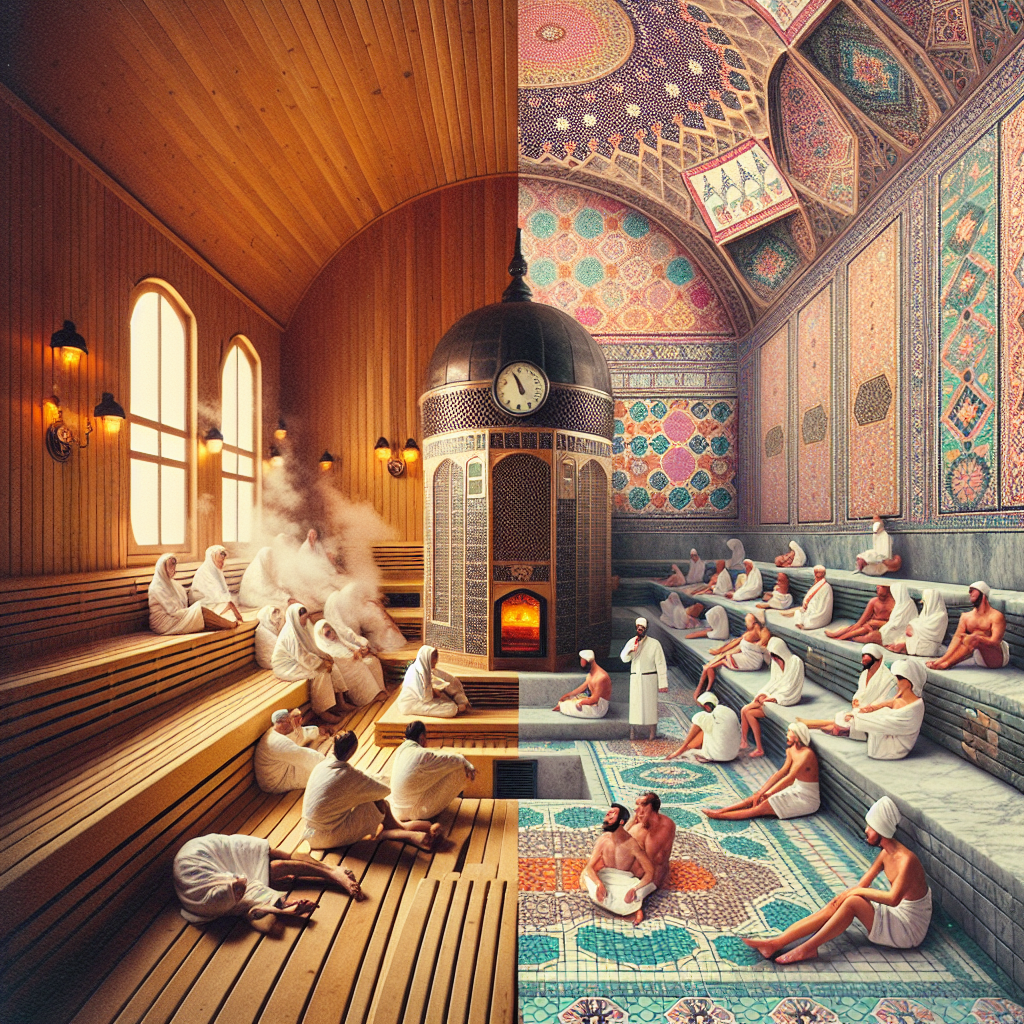
Knowing the difference between a sauna and a Turkish bath can greatly enhance your wellness routine. A sauna usually involves dry heat, while a Turkish bath typically involves steam and water. However, these wellness practices are not universal in their benefits or effects. For those seeking to understand more about the efficacy of saunas for particular health issues, contents on whether using a sauna when sick might prove enlightening.
The cost of adding any of these wellness practices into your home varies greatly depending on several factors. From the type of heating used to the size and materials chosen for construction. Insights from our post on how much a home sauna costs could provide useful context as you compare it with potential costs associated with installing a Turkish bath.
A sauna’s therapeutic heat can offer numerous benefits such as improving cardiovascular health, aiding in weight loss, relieving stress, and detoxification among others. There’s always an ongoing debate on what kind of sauna offers the best health benefits so checking out our comprehensive analysis of which sauna has the best health benefits, might help you choose which one suits you best.
If incorporating a wellness practice like this into your daily routine becomes too costly or unfeasible due to space constraints or other reasons, do not fret! We have compiled ingenious recommendations on what you can use instead of saunas. Find valuable tips from our post about alternatives to saunas to
My Personal Take about Difference between a sauna and a Turkish bath
Hey there, friend!
George here, your go-to expert when it comes to the relaxing and health-boosting world of saunas and cold plunges.
You see, I’ve spent years delving into the enchanting steamy haze of both traditional saunas and exotic Turkish Baths- yes, there’s a noteworthy difference between a sauna and a Turkish bath, something many people tend to overlook.
- The essence lies in the fact that traditional saunas focus on dry heat while Turkish baths tantalize your senses with a combination of warmth and moisture.
- In any case, whether you’re basking in the dry embrace of a spacious Finnish sauna or exploring the steamy delights of a vibrant Hammam (Turkish Bath), both experiences are sure to rejuvenate your body and mind.
To wrap things up on an optimistic note – Words of advice: If you’ve yet to explore these self-care wonders, now’s as good a time as any. Trust me; once you’ve felt that invigorating thrill post-sauna or Turkish Bath cold plunge – it’s an experience you’ll want to relive over and over again.
Frequently Asked Questions about Difference between a sauna and a Turkish bath
1. What is the primary difference between a sauna and a Turkish bath?
The primary difference lies in the climate within each facility. Saunas provide dry heat with low humidity, while Turkish baths have higher humidity through steam.
2. How does the temperature differ between saunas and Turkish baths?
Saunas have high temperatures ranging from 70°C to 100°C (158°F to 212°F), whereas Turkish baths operate at lower temperatures of about 40°C to 50°C (104°F to 122°F).
3. How do saunas and Turkish baths generate heat?
Saunas generate heat through a stove, which can be wood-burning or electric, and sometimes include hot rocks for steam. Turkish baths create a humid atmosphere using steam.
4. What are the main benefits of saunas and Turkish baths?
Both saunas and Turkish baths offer potential health benefits such as muscle relaxation, improved circulation, joint pain relief, and detoxification through sweating out impurities from the skin’s pores.
5. Do saunas or Turkish baths focus more on hydration?
Turkish baths focus more on hydration due to their emphasis on water through steam and various washing or bathing rituals.
6. How long can one typically stay in a sauna compared to a Turkish bath?
Saunas are traditionally used for longer periods compared to Turkish baths because the dry heat is often more tolerable for extended periods compared to very humid conditions that may feel overwhelming faster.
Now you know Difference between a sauna and a Turkish bath , but that’s only the beginning of your journey here at Sweat N Chill Zone. If you found this post useful there’s more to learn to get you to the next step of your sauna & cold plunge journey. If you read our next articles you’ll be a step further than most people.
Before you go…
Takeaways:
1. Saunas and Turkish baths have distinct differences in climate, with saunas providing dry heat and Turkish baths offering a humid atmosphere through the use of steam.
2. Saunas focus on heavy perspiration and detoxification, while Turkish baths emphasize hydration and gentle warmth.
3. The cultural ambiance and specific rituals associated with Turkish baths contribute to their unique experience, while saunas are known for longer relaxation periods. In summary, saunas and Turkish baths provide different bathing experiences due to variations in temperature and humidity levels. Saunas offer a dry heat environment that promotes heavy perspiration for detoxification, while Turkish baths create a humid atmosphere through steam for gentle warmth and hydration. The cultural significance of Turkish baths adds to the overall experience, with rituals such as relaxation on heated marble stones and attendant-conducted exfoliation treatments. On the other hand, saunas allow for longer periods of relaxation compared to Turkish baths due to their more tolerable temperatures. Both bathing traditions offer potential health benefits such as muscle relaxation, improved circulation, relief from joint pain after physical activity, and detoxification through sweating out impurities from the skin’s pores. Ultimately, the choice between sauna or hammam depends on personal preferences regarding temperature range, desired level of moisture during the session, and cultural significance one may seek from either tradition in order to enhance overall well-being and find respite from the stresses of daily life.
To make the most out of your spa experience, learn about the best way to use sauna and steam room on our site.

George From Sweat N Chill Zone
George, the passionate founder of Sweat N Chill Zone, is an ardent advocate for holistic wellness through the healing powers of saunas and cold plunges. With a background in health sciences and a fervent dedication to sharing the benefits of thermal therapy, George curates an informative space, offering insights, tips, and expert advice to help individuals optimize their health and well-being through the transformative effects of heat and cold treatments. Through Sweat N Chill Zone, George aims to inspire and educate, fostering a community centered around rejuvenation and vitality.
Download this courtesy guide to optimize your sauna and cold plunge experience and health optimization.
Download the Free Guide Today

