
Key Takeaways – Do you need ventilation in a sauna?
Takeaway 1:
Installing proper ventilation is crucial for a safe and enjoyable sauna experience. Nobody wants to feel like they’re suffocating in a stuffy sauna, right? Ventilation helps keep the air fresh and hygienic by circulating fresh air and getting rid of excess humidity. This not only makes your sauna sessions more comfortable but also contributes to the overall longevity of your sauna.Takeaway 2:
In traditional saunas, vents are typically designed to allow natural airflow throughout the room. It’s important to position the supply air pipe at an optimal height near the stove to ensure better circulation of warm air. Additionally, having exhaust vents near ceilings or walls and intake vents at floor level helps create a balanced airflow, allowing stale air to escape while cooler fresh air enters.Takeaway 3:
The recommended rate for changing out air in your sauna is approximately 6 times per hour. However, it’s worth noting that not all saunas require ventilation in the same way. Infrared saunas, for example, may generate minimal airflow and might not need extensive ventilation. It’s always a good idea to consult with experts or professionals when considering additional mechanical ventilation or venting outdoors, especially if you have specific conditions that could pose safety concerns. Remember folks, proper ventilation is key to preventing excessive carbon dioxide levels while ensuring your ultimate comfort during each sauna session. So breathe easy and enjoy those steamy moments!Our #1 Best Recommended Sauna
If you’re looking for a spacious and luxurious sauna option, the Finnmark FD-4 Trinity Infra Steam Sauna is a perfect choice. For a unique design, consider our Electric Barrel Sauna with Canopy. Both options offer premium quality and the ultimate relaxation experience.Experience luxury in your outdoor oasis with the SaunaLife Model G6.
Explore the ultimate relaxation and wellness benefits of a garden sauna.
Elevate your outdoor living with premium craftsmanship and rejuvenating heat. Discover the perfect addition to your lifestyle with SaunaLife Model G6 today!
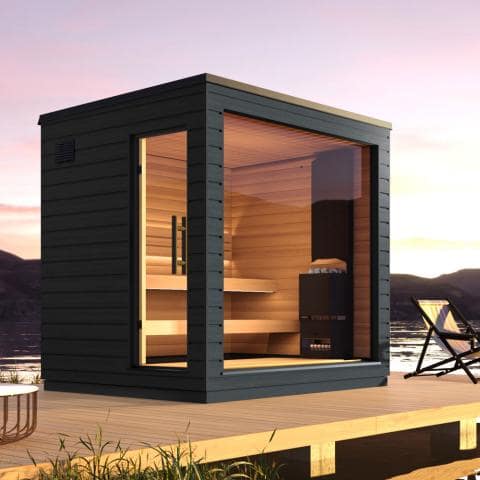

Here’s a Youtube Video about Do you need ventilation in a sauna?
Do you need ventilation in a sauna? It’s quite straightforward: Yes, proper ventilation is essential in saunas to ensure safe and efficient operation.
This blog post will delve into understanding the role of ventilation in both traditional and infrared saunas, recognizing the importance of vent placement, discussing the recommended rate for air changes in an indoor sauna, and exploring the ongoing debate between indoor ventilation back inside the house versus outdoors.
We’ll also address special considerations regarding infrared saunas and when it’s best to consult with experts on sauna ventilation systems. The topic of sauna ventilation is multifaceted – but don’t worry, we’ve got you covered. Continue reading to get all your queries answered.

Understanding the Role of Ventilation in a Sauna
If you’ve ever wondered, “do you need ventilation in a sauna?“, I believe I have the answer for you. Now that I think about it, ventilation is not just necessary – it’s critical to your entire sauna experience. A good sauna isn’t only about its construction, design or heat source; it also requires proper air circulation to remain efficient and hygienic.
Ventilation promotes fresh air circulation and helps rid your sauna of excess humidity which could otherwise lead to stale or unhygienic conditions. Moreover, well-ventilated saunas last longer since they prevent quick deterioration.

Download this courtesy guide to optimize your sauna and cold plunge experience and health optimization.
Download the Free Guide TodayTraditional Saunas and the Importance of Vent Placement
All things considered, optimum placement of vents is crucial in traditional saunas where natural airflow is facilitated. You see, these vents are intrinsic to their design – placed strategically for better circulation of warm air around the room.
In terms of vent placement, exhaust vents are often located near ceilings or walls – this allows stale air to escape after each sauna session. Conversely, intake vents are typically designed at floor level or close by. This way cooler fresh air can enter and get warmed up by the stove.
The Recommended Rate for Air Change in an Indoor Sauna
The recommended rate for changing out indoor sauna air stands at approximately 6 times per hour. By regularly switching out the air, you enhance comfort and safety during each session. By the way, this also helps prevent excessive carbon dioxide levels from building up in your sauna room.
The Debate: Indoor Ventilation Back Inside the House Vs. Outdoors
When it comes to indoor saunas, there’s a debate about whether it’s best to vent back inside the house or outdoors. Some suggest that indoor venting is ideal due to differences in barometric pressure that could otherwise affect your sauna experience.
Special Considerations For Infrared Saunas and Ventilation
In any case, when it comes to infrared saunas, ventilation might not be as significant due to their minimal generation of airflow. However, this doesn’t necessarily mean vents are completely unnecessary – each sauna design has its unique ventilation needs worth considering.
When to Consult with Experts on Sauna Ventilation Systems
If you’re thinking about installing an indoor sauna with vents leading outdoors or planning on an additional mechanical ventilation system , consulting with experts or professionals is a must. There could be potential safety concerns depending on specific conditions that only they would know how best to address.

The importance of ventilation in a sauna cannot be understated. It allows for good air circulation, which in turn reduces the chances of feeling dizzy or uncomfortable. Similarly, understanding the best ways to use a sauna can significantly enhance your overall experience. Whether you’re considering the best sauna and steam room routine or finding the best way to buy a sauna, proper knowledge is crucial. Factors such as cost and maintenance also play a vital role when deciding on which type of sauna to install at home. For instance, if you’re torn between getting a traditional steam room or an infrared one, comparing the sauna vs steam room cost would be beneficial. Once installed, maintaining cleanliness is equally important; hence knowing how to effectively clean your sauna will ensure it lasts longer and remains safe for use. Depending on personal preferences, some might find using an infrared sauna more beneficial compared to others. If this resonates with you, exploring options like the best infrared sauna for home use, or even reviewing the recommended session duration in our guide on the best amount of time in a sauna, can help optimize your wellness journey. Remember that while time spent in any kind of sauna can bring about benefits such as relaxation and detoxification, overdoing it might have adverse effects. Therefore, it would be wise to consult the best time to stay in a sauna for detox guide for a balanced approach.
My Personal Take about Do you need ventilation in a sauna?
Hey friend, have you ever wondered, “do you need ventilation in a sauna“?
Well, I’m George and I’m here to tell you that the answer is a resounding yes! Ventilation is absolutely crucial when it comes to maintaining an ideal environment inside your sauna.
You see, proper airflow prevents excess humidity and helps distribute heat evenly, which not only makes your sauna experience more enjoyable, but it also extends the lifespan of your beloved hot haven.
Now that I think about it, isn’t there something so alluring about leaving a steamy sauna and plunging into an icy pool? In any case, this exhilarating contrast has fantastic health benefits such as improved circulation and boosted immunity. Don’t be afraid to dive into the invigorating world of saunas and cold plunges!
Dare to experience it.
Our #1 Best Recommended Sauna for most People
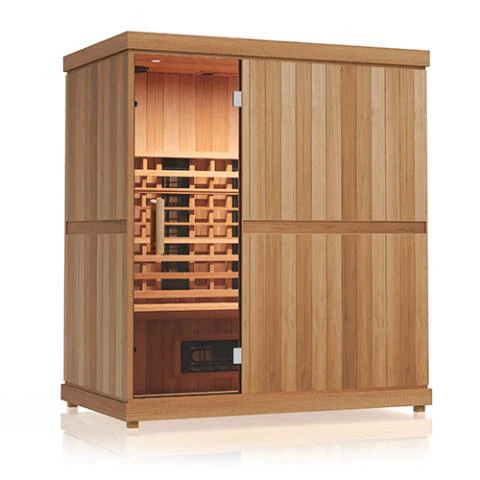
One of the primary considerations when purchasing a sauna is ensuring it has proper ventilation such as the Sunray Tiburon 4-Person Traditional Sauna. Ventilation can greatly impact your overall sauna experience by regulating temperature, humidity, and fresh air circulation. If you’re planning to install an indoor sauna, check out options like the Vulcana Indoor Cabin Sauna Kit, designed with excellent ventilation systems.Step into the realm of total wellness with the Finnmark FD-3 Full Spectrum Infrared Sauna.
Unwind, detoxify, and rejuvenate with advanced infrared technology.
Experience the healing benefits and luxurious comfort of your personal infrared sanctuary. Elevate your well-being with the Finnmark FD-3 today!
Frequently Asked Questions about Do you need ventilation in a sauna?
1. Why is ventilation important in a sauna?
Ventilation plays a critical role in maintaining a safe and comfortable sauna environment. It helps circulate fresh air, remove excess humidity, and prevent the air from becoming stale or unhygienic.
2. How does ventilation contribute to the efficiency of a sauna?
Proper ventilation ensures the longevity of your sauna by preventing it from deteriorating quickly. It allows for better airflow circulation, which helps evenly distribute warm air and maintain an optimal temperature inside the room.
3. Should I vent my indoor sauna outdoors or back into my house?
While some sources suggest venting back into the house due to differences in barometric pressure, it is advisable to consult with experts or professionals for specific conditions. They can provide guidance on potential safety concerns and help you make an informed decision.
4. Do all types of saunas require ventilation?
Infrared saunas, with their minimal generation of airflow, may not require ventilation. However, traditional saunas typically have vents as part of their design to facilitate natural airflow circulation throughout the room.
5. Where should exhaust vents be placed in a sauna?
Exhaust vents are usually located near ceilings or walls close by to allow stale air to escape after a sauna session. This placement ensures effective removal of used air and maintains fresh air circulation in the room.
6. What is the recommended rate for changing out air in a sauna?
It is generally recommended to change out the air approximately six times per hour in a sauna. This rate helps maintain proper ventilation, prevents excessive carbon dioxide levels, and ensures your comfort during each session.
Now you know Do you need ventilation in a sauna? , but that’s only the beginning of your journey here at Sweat N Chill Zone. If you found this post useful there’s more to learn to get you to the next step of your sauna & cold plunge journey. If you read our next articles you’ll be a step further than most people.
Before you go…
Takeaway 1:
Installing proper ventilation is crucial for a safe and enjoyable sauna experience. Nobody wants to feel like they’re suffocating in a stuffy sauna, right? Ventilation helps keep the air fresh and hygienic by circulating fresh air and getting rid of excess humidity. This not only makes your sauna sessions more comfortable but also contributes to the overall longevity of your sauna.Takeaway 2:
In traditional saunas, vents are typically designed to allow natural airflow throughout the room. It’s important to position the supply air pipe at an optimal height near the stove to ensure better circulation of warm air. Additionally, having exhaust vents near ceilings or walls and intake vents at floor level helps create a balanced airflow, allowing stale air to escape while cooler fresh air enters.Takeaway 3:
The recommended rate for changing out air in your sauna is approximately 6 times per hour. However, it’s worth noting that not all saunas require ventilation in the same way. Infrared saunas, for example, may generate minimal airflow and might not need extensive ventilation. It’s always a good idea to consult with experts or professionals when considering additional mechanical ventilation or venting outdoors, especially if you have specific conditions that could pose safety concerns. Remember folks, proper ventilation is key to preventing excessive carbon dioxide levels while ensuring your ultimate comfort during each sauna session. So breathe easy and enjoy those steamy moments! If you’re considering getting a sauna, you might be wondering how much does a sauna cost. Once installed, it’s also key to understand the best sauna temperature for health and the best sauna temperature for weight loss, not forgetting to account for the cost of each sauna session.Indulge in supreme relaxation with the Enlighten Sauna Sierra 2. Experience the holistic benefits of full-spectrum infrared therapy.
Rejuvenate your body and mind in the comfort of your own home.
Discover true tranquility and elevate your wellness routine with the Enlighten Sauna Sierra 2.


George From Sweat N Chill Zone
George, the passionate founder of Sweat N Chill Zone, is an ardent advocate for holistic wellness through the healing powers of saunas and cold plunges. With a background in health sciences and a fervent dedication to sharing the benefits of thermal therapy, George curates an informative space, offering insights, tips, and expert advice to help individuals optimize their health and well-being through the transformative effects of heat and cold treatments. Through Sweat N Chill Zone, George aims to inspire and educate, fostering a community centered around rejuvenation and vitality.
Download this courtesy guide to optimize your sauna and cold plunge experience and health optimization.
Download the Free Guide Today