
Key Takeaways – What temp to cold plunge
Takeaways:
– **Find your comfort zone:** The optimal temperature for a cold plunge is between 50-60 degrees Fahrenheit, but it can vary based on individual tolerance. Some may go as low as 34F for experienced users. – **Know your goals:** Higher temperatures around 50F can boost metabolism, while lower temperatures are better for reducing inflammation and muscle soreness. – **Start slow, build up:** Beginners should begin with shorter sessions and gradually increase their time in the water to avoid overwhelming their bodies. As you embark on your cold plunge journey, remember that finding the right temperature for you is key. Whether you’re aiming to boost your metabolism or soothe sore muscles, tailor your plunge to meet your specific goals. Start off slowly and increase your exposure gradually over time. And most importantly, always prioritize safety – listen to your body and exit the water if you feel any discomfort. Experiment with different temperatures and durations until you find what works best for you!Our #1 Best Recommended Cold Plunge
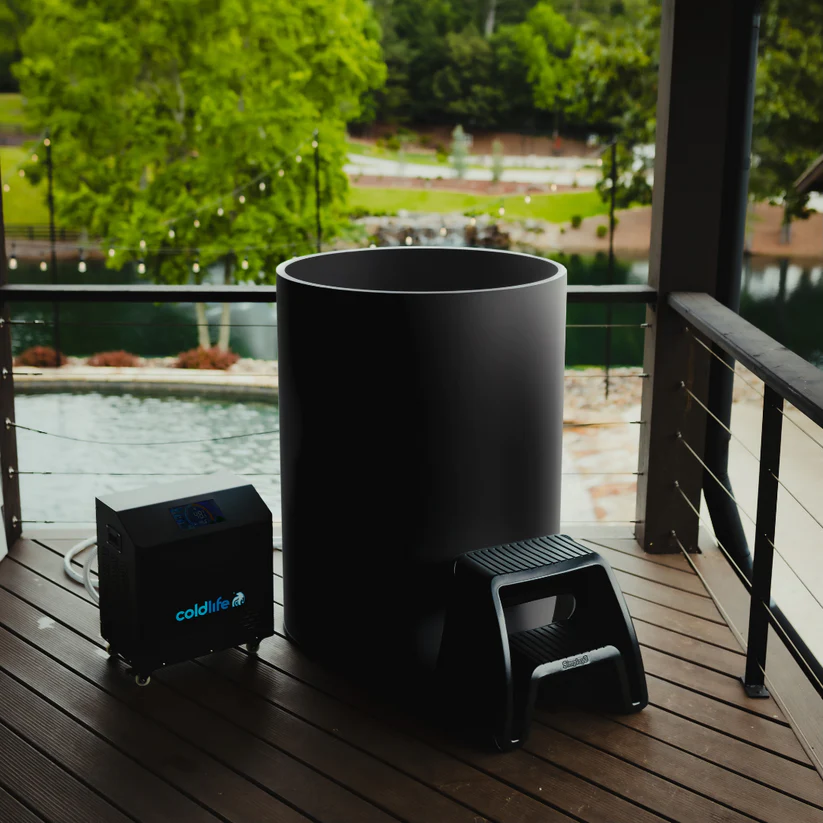
Checkout the latest ColdLife Plunge 1 on our site. If you love it, consider getting the Cold Life Plunge Bundle for more value. Both these items are designed to provide ultimate customer satisfaction.Are you ready to redefine your limits with cold immersion?
Explore the compelling truth behind cold plunging and its remarkable benefits for mind and body.
Dive into the Cold Life Plunge Bundle now to embark on your journey to revitalization and strength. Transform your life today!

Here’s a Youtube Video about What temp to cold plunge
If you’re wondering what temp to cold plunge, it’s important to know that the ideal temperature is often between 50 to 59 degrees Fahrenheit (10-15 Celsius).
This lower temperature can initiate the role of Brown Fat Activation and Metabolism, essential in burning calories and improving metabolism during cold plunge therapy.
It may also aid in Reducing Inflammation and Muscle Soreness, providing therapeutic benefits at the lower end of the cold plunge spectrum.
The process of starting your cold plunge journey is gradual – beginning from higher temperatures and slowly adapting to colder conditions. Understanding this shift is key when starting your Cold Plunge Journey. For safety, always remember that the Duration of Cold Plunge Sessions should start with short bursts, gradually working up to optimal exposure times.
Last but not least, never forget the crucial Safety Precautions During Cold Plunge Therapy Sessions. Happy plunging!

Understanding the Ideal Temperature for Cold Plunging
I’ve often found that one of the key aspects to mastering cold plunge therapy lies in understanding the cold plunge temperature. Various studies and expert recommendations agree on the optimal temperature for a cold plunge: between 50-60 degrees Fahrenheit (10-15 degrees Celsius). This is typically safe, but always bear in mind individual comfort and tolerance. For seasoned veterans, temperatures can sometimes drop even further, hitting a chilly 40-50 degrees Fahrenheit (4-10 degrees Celsius) or at times, an icy 34F.
The Role of Brown Fat Activation and Metabolism in Cold Plunge Therapy
Now that I think about it, you might be wondering why we even bother with specific temperatures. Well, each temperature range offers unique benefits within this therapy. Studies indicate that higher temperatures around 50F can activate brown fat and stimulate metabolism.

Download this courtesy guide to optimize your sauna and cold plunge experience and health optimization.
Download the Free Guide TodayReducing Inflammation and Muscle Soreness: The Lower End of the Cold Plunge Spectrum
All things considered though, if you’re seeking to reduce inflammation or ease muscle soreness after a hard workout session – like I often do – then colder temperatures towards the lower end of our spectrum will be more effective.
Starting Your Cold Plunge Journey: From Higher Temperatures to Adaptation
If you’re new to this whole idea of cold water immersion, don’t worry. I’d recommend beginning at a higher temperature and gradually working your way down to colder waters. It’s similar to conditioning your body for a new sport – it takes time and patience.
Duration of Cold Plunge Sessions: From Short Bursts to Optimal Exposure Times
You should also consider the duration of your cold plunge sessions. Start with short durations, around 30 seconds to one minute, and increase gradually over several weeks until you reach optimal exposure times ranging from five minutes up to twenty or thirty minutes.
Safety Precautions During Cold Plunge Therapy Sessions
Safety should be on top of your mind while doing any form of therapy like this. Never exceed what feels comfortable or tolerable for you during understanding cold water therapy temps. If adverse reactions such as difficulty breathing or severe discomfort occur, exit the water immediately.
Understanding the perfect temperature that a cold plunge needs to be, is key to maximizing its health benefits. The lower temperature helps stimulate blood circulation and speed up muscle recovery. You may wonder just how long you can stay in this chilly water. The duration varies depending on individual tolerance and the actual temperature of the water. If you don’t have a cold plunge pool but still want to reap some benefits, you might consider whether a regular cold shower could serve as an alternative. The answer is not that straightforward and it’s thoroughly explained in our article on whether a cold shower can replace a cold plunge. But if you do have access to a plunge pool, it’s essential to understand its internal workings, more specifically, what chiller does it use? We’ve discussed this at length in our post about the type of chiller utilized in a cold plunge pool. This information will help ensure your equipment is working effectively for maximum benefit. Finally, if you’re concerned about time management, knowing how long a typical session lasts can also be helpful. We touched on this concept in our article discussing how long an average cold plunge takes. Balancing the duration with optimal temperature will help yield the best results from your cold plunge sessions.
My Personal Take about What temp to cold plunge
Hey there, it’s George! By the way, I’ve got a knack for all things related to saunas and cold plunges.
In any case, I’ve been diving into the nitty-gritty of “what temp to cold plunge” for my latest piece: The Ultimate Guide for Optimal Benefits.
You see, a properly timed sauna session followed by a cold plunge can recharge your body like nothing else. Words of advice? Start small and gradually work your way up.
- Saunas: Go hot–but not too hot. Aim for a sweet spot around 70-80°C (158-176°F).
- Cold plunges: Aim for temperatures between 10-15°C (50-59°F). That’s when you’ll reap the most benefits.
I truly believe you’ll be amazed by how revitalized you’ll feel. Now that I think about it, this could be the perfect wellness routine you never knew you needed!
Our #1 Best Recommended Cold Plunge for most People
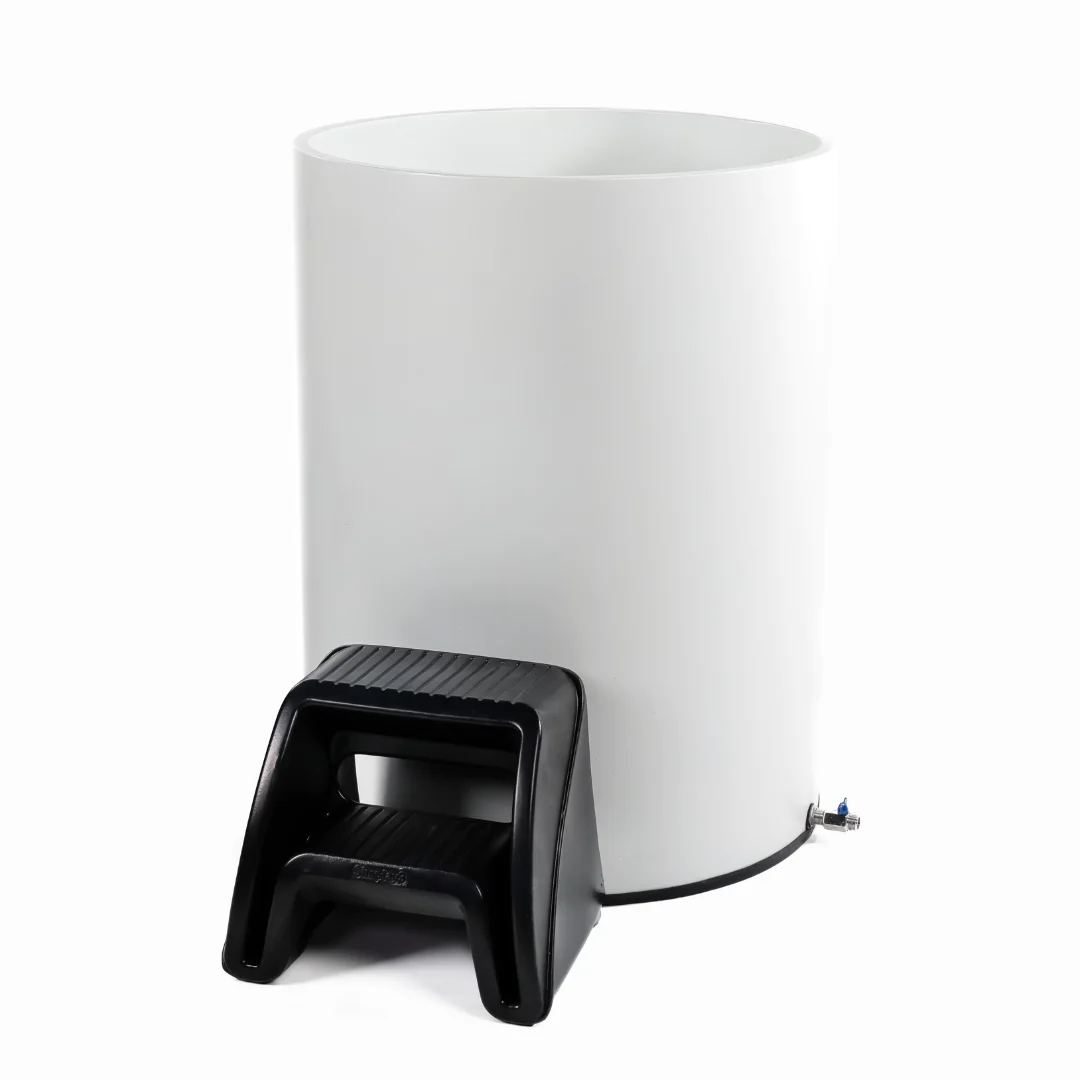
If you’re looking to start cold plunging, it’s essential that you have the right equipment. You can find top-notch equipment such as our top seller ColdLife Plunge 1. For those ready to take the plunge seriously, there is an amazing value in our comprehensive Cold Life Plunge Bundle that meets all your cold plunging needs.Discover the unparalleled benefits of cold immersion with ColdLife Plunge 1. Unleash your full potential with our innovative cold plunging solution. Explore the transformative effects on your body and mind. Elevate your lifestyle with ColdLife Plunge 1 today!
Frequently Asked Questions about What temp to cold plunge
What is the ideal temperature range for a cold plunge?
The optimal temperature for a cold plunge is between 50-60 degrees Fahrenheit (10-15 degrees Celsius). This range is generally accepted as safe and effective.
How can I gradually adjust to colder temperatures in a cold plunge?
Start at a higher temperature and gradually work your way down over time as your body adapts to the colder water.
What are the benefits of cold plunging at different temperatures?
Temperatures around 50F can activate brown fat and boost metabolism, while lower temperatures can reduce inflammation and muscle soreness.
What is the recommended duration for a cold plunge session?
Beginners can start with short sessions of about 30 seconds to one minute and gradually increase their time in the water until reaching exposure times of five minutes or longer.
What should I do if I experience discomfort during a cold plunge?
If you experience difficulty breathing or severe discomfort, exit the water immediately. Safety should always be your top priority.
Can I customize my cold plunge experience based on my preferences?
Yes, you can tailor your temperature selection and duration to suit your comfort level and desired health benefits. Experiment with different settings to find what works best for you.
Now you know What temp to cold plunge , but that’s only the beginning of your journey here at Sweat N Chill Zone. If you found this post useful there’s more to learn to get you to the next step of your sauna & cold plunge journey. If you read our next articles you’ll be a step further than most people.
Before you go…
Takeaways:
– **Find your comfort zone:** The optimal temperature for a cold plunge is between 50-60 degrees Fahrenheit, but it can vary based on individual tolerance. Some may go as low as 34F for experienced users. – **Know your goals:** Higher temperatures around 50F can boost metabolism, while lower temperatures are better for reducing inflammation and muscle soreness. – **Start slow, build up:** Beginners should begin with shorter sessions and gradually increase their time in the water to avoid overwhelming their bodies. As you embark on your cold plunge journey, remember that finding the right temperature for you is key. Whether you’re aiming to boost your metabolism or soothe sore muscles, tailor your plunge to meet your specific goals. Start off slowly and increase your exposure gradually over time. And most importantly, always prioritize safety – listen to your body and exit the water if you feel any discomfort. Experiment with different temperatures and durations until you find what works best for you! If you’re wondering what is a cold plunge transformation, our guide explains everything. Once you understand the basics, you can learn about the best cold plunge temperature and get tips on the best way to start a cold plunge. We also have guidance on the most effective techniques for cold plunging and how this practice helps eliminate free radicals from your body.
George From Sweat N Chill Zone
George, the passionate founder of Sweat N Chill Zone, is an ardent advocate for holistic wellness through the healing powers of saunas and cold plunges. With a background in health sciences and a fervent dedication to sharing the benefits of thermal therapy, George curates an informative space, offering insights, tips, and expert advice to help individuals optimize their health and well-being through the transformative effects of heat and cold treatments. Through Sweat N Chill Zone, George aims to inspire and educate, fostering a community centered around rejuvenation and vitality.
Download this courtesy guide to optimize your sauna and cold plunge experience and health optimization.
Download the Free Guide Today