
Key Takeaways – How cold is a Polar Plunge
Takeaway 1:
Plunging into freezing cold water during a Polar Plunge can have some serious effects on our bodies. The sudden shock of the icy water can make our heart rate and blood pressure skyrocket, while also causing us to gasp for breath like we just saw a ghost. So, if you’re thinking about taking the plunge, be prepared for your body to do some crazy things!Takeaway 2:
As if the initial shock wasn’t enough, prolonged exposure to frigid water can lead to hypothermia. Yup, that’s right! When the temperature drops below 10°C (50°F), our bodies start losing heat faster than you can say “brrr.” So, it’s important to know your limits and get out of that icy water before things get too chilly.Takeaway 3:
Despite all the risks and challenges involved, people from all over the world still flock to take part in Polar Plunges. They brave the freezing cold waters because they crave that thrill-seeking adventure and want to support great causes like Special Olympics events or winter-bathing clubs. But hey, if you’re thinking about joining in on the fun, make sure to train beforehand by exposing yourself gradually to colder showers or swims. And most importantly, always prioritize safety by checking your physical condition and environmental conditions before diving in!Our #1 Best Recommended Cold Plunge
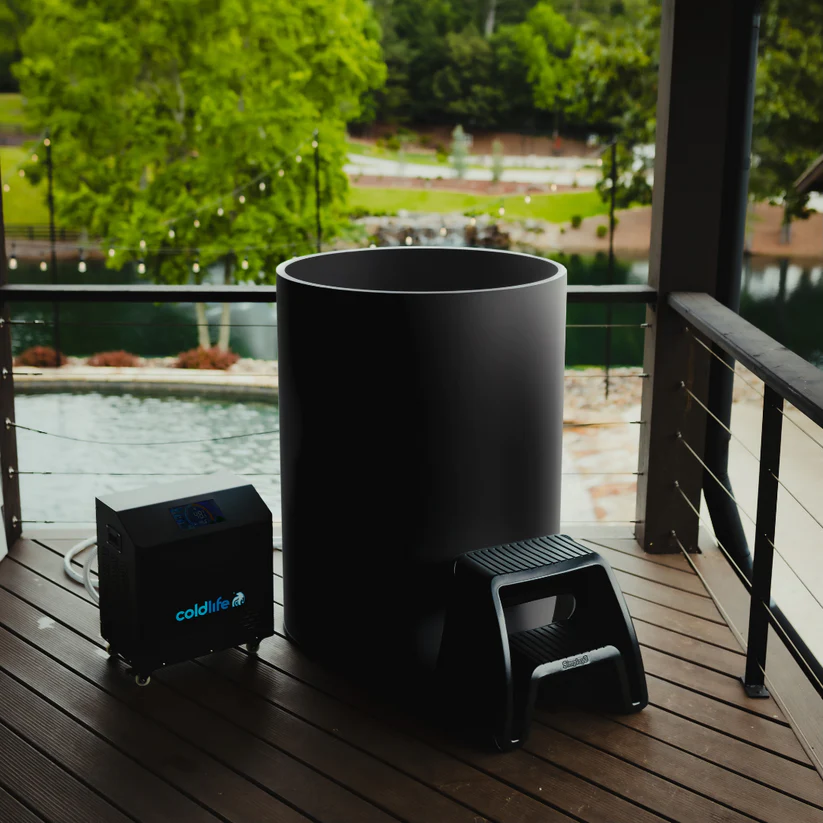
Check out our popular Cold Life Plunge Bundle that has been receiving rave reviews. This bundle is a great way to experience the cooling sensation of our products. Don’t miss your chance to buy the Cold Life Plunge Bundle today!Are you ready to redefine your limits with cold immersion?
Explore the compelling truth behind cold plunging and its remarkable benefits for mind and body.
Dive into the Cold Life Plunge Bundle now to embark on your journey to revitalization and strength. Transform your life today!

Here’s a Youtube Video about How cold is a Polar Plunge
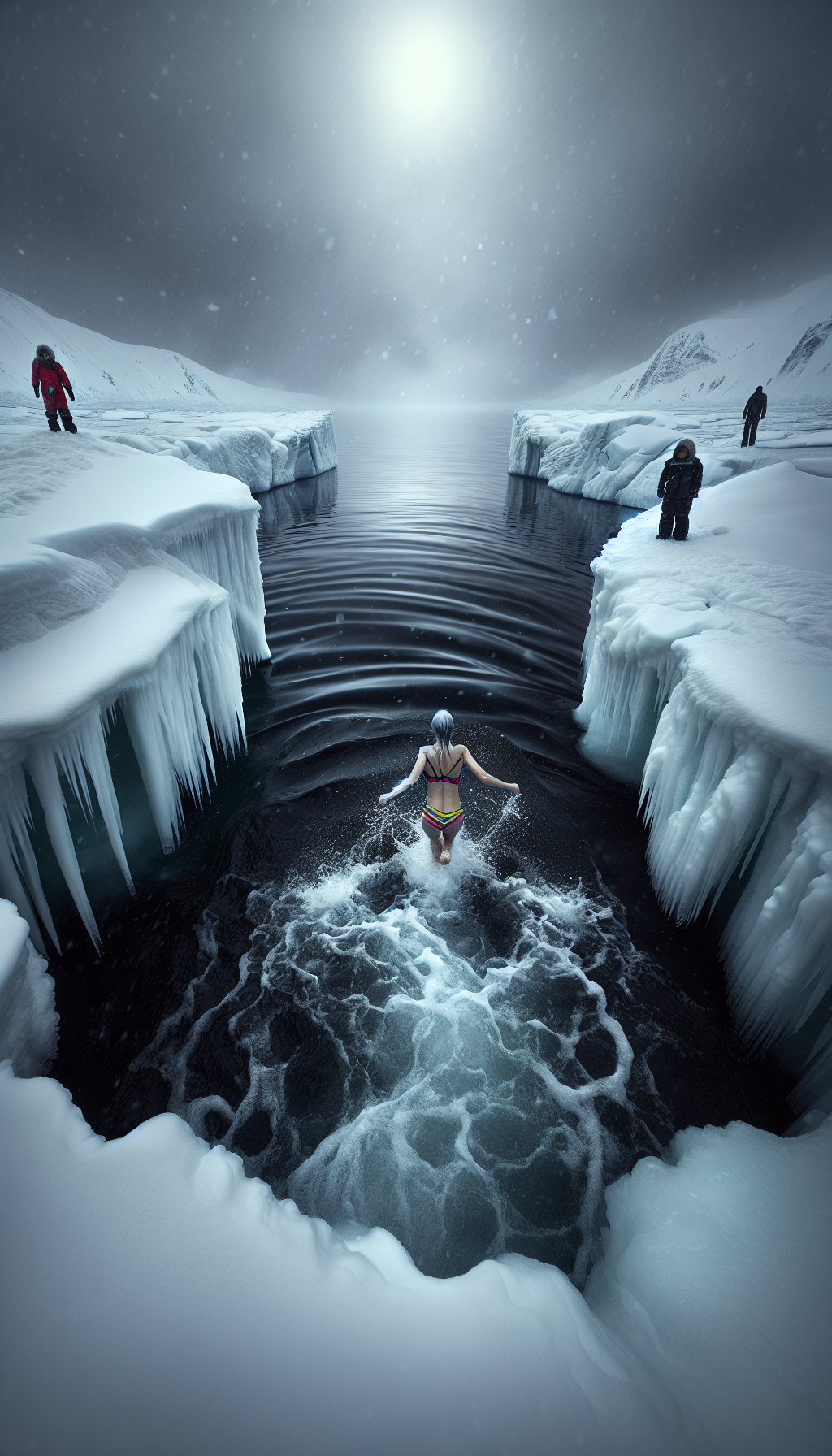
Understanding the Polar Plunge often begins with one question: “how cold is a polar plunge?”. Typically, the water for these events can be as chilly as 0 degrees Celsius (32 Fahrenheit), depending on region and weather conditions.
This extreme activity elicits a unique Physiological Response, including accelerated heart rate and increased adrenaline production.
While invigorating, there are certain Risks and Challenges Associated with Polar Plunges, such as hypothermia or cold-water shock.
The specific Influence of Weather Conditions on Polar Plunges, such as air temperature and wind chill, can further intensify this cold experience.
Despite these challenges, the event’s global Popularity and Purpose, often fundraising for charities or bringing communities together, keeps enthusiasts taking the icy dip year after year.
Therefore, knowing how to properly Prepare for a Polar Plunge is critical. This includes acclimatizing your body to cold water gradually or wearing appropriate gear that not only keeps you safe but also enhances your plunge experience.

Understanding the Polar Plunge
Think of invigorating arctic swimming; a polar plunge, as it’s affectionately called, is quite simply that, but with a twist. The thrill lies in diving into water temperatures typically between 35-45 degrees Fahrenheit (approximately 2-8 degrees Celsius). In some extraordinary instances, the icy depths can go below 0 degrees Celsius! Now that I think about it, the term “polar plunge” really does justice to its near-freezing nature and freezing water swim characteristics!
The Physiological Response to a Polar Plunge
The moment you immerse yourself into these sub-zero waters for an winter swimming, you are likely to encounter what’s known as the “cold shock”. Your body reacts in a fight or flight manner causing an immediate increase in breathing rate, heart rate and blood pressure. Quite literally – it’s breath-taking!

Download this courtesy guide to optimize your sauna and cold plunge experience and health optimization.
Download the Free Guide TodayRisks and Challenges Associated with Polar Plunges
All things considered; while on one hand polar bear plunge events are exhilarating adventures, they do come with their own set of potential risks. The extreme conditions of a polar plunge can lead to hypothermia if exposure is prolonged . In particular when temperatures are below 10°C (50°F) as this accelerates your body’s heat loss. Hence precautionary measures need to be taken.
The Influence of Weather Conditions on Polar Plunges
In addition to your physical response, environmental factors such as weather conditions can also have an impact on your sub-zero water dips experience. The air and water temperatures at these both exhilarating and icy plunge spots tend to freeze or reach sub-zero levels in many traditional locations.
The Popularity and Purpose of Polar Plunges
You see, despite the potential challenges, the popularity of these polar bear plunge events shows no signs of wavering. They continue to be a global phenomenon uniting thrill-seekers who are eager for a good cause like supporting Special Olympics or winter-bathing clubs.
How to Prepare for a Polar Plunge
If you’re considering dipping your toes into this realm of extreme plunges in cold water remember safety is paramount. Your preparation should include acclimatizing your body to colder temperatures gradually through showers or swims – a method akin to cold shock therapy. This can help you handle the intense cold shock associated with such icy plunge benefits during charity polar plunges.
For those enthusiasts who dare to plunge into icy water, understanding how cold a polar plunge can be is extremely beneficial. This practice is not only invigorating but also believed to bolster overall well-being. Now, if you’re considering having your own set at home and are looking for value for money options, you might find our list of the best cold plunge for the money incredibly helpful. When it comes to integrating the cold plunge into your routine effectively, timing can play a critical role. Discover the best time to take a cold plunge and optimize your experience accordingly. Furthermore, why not enhance your wellness regimen by incorporating saunas along with cold plunges? Check out our tips on the best way to do a cold plunge and sauna together. But what if you’re keen on understanding what it feels like before investing in one? Our guide on how long one can stay in a cold plunge may provide some insights into this exhilarating experience. And finally, selecting an ideal cold tub is just as important as knowing how chilling these plunges are; hence we have curated the perfect list of best cold plunge tub on Amazon to help you make an informed choice. Remember, knowledge is power when it comes to optimizing your wellness routine!
My Personal Take about How cold is a Polar Plunge
Hey there, friend! As a connoisseur of saunas and cold plunges, I’ve often found myself mulling over the same question – how cold is a polar plunge?
In essence, it’s chilly! Think about immersing yourself in icy waters that can drop substantially below the zero-degree mark. It’s an extreme experience, but one that comes with numerous wellness benefits.
A sauna and cold plunge routine might sound daunting initially, you see. It’s a contrast of fierce heat followed by bracing cold. But once you get into the rhythm of it, the sensation is indescribable and truly exhilarating!
- The sauna warms your body to its core.
- The blood circulating through your veins quickens.
- The polar plunge then cools everything down in an instant. A rush like no other!
Now that I think about it, it’s not just about the thrill – it’s also a lifetime investment for your health.
Closing words of advice? Don’t shy away from giving it a try! The blend of hot and cold will leave you feeling invigorated like never before. Here’s to hoping this unique balance inspires you to dive right into this revitalizing journey!
Our #1 Best Recommended Cold Plunge for most People
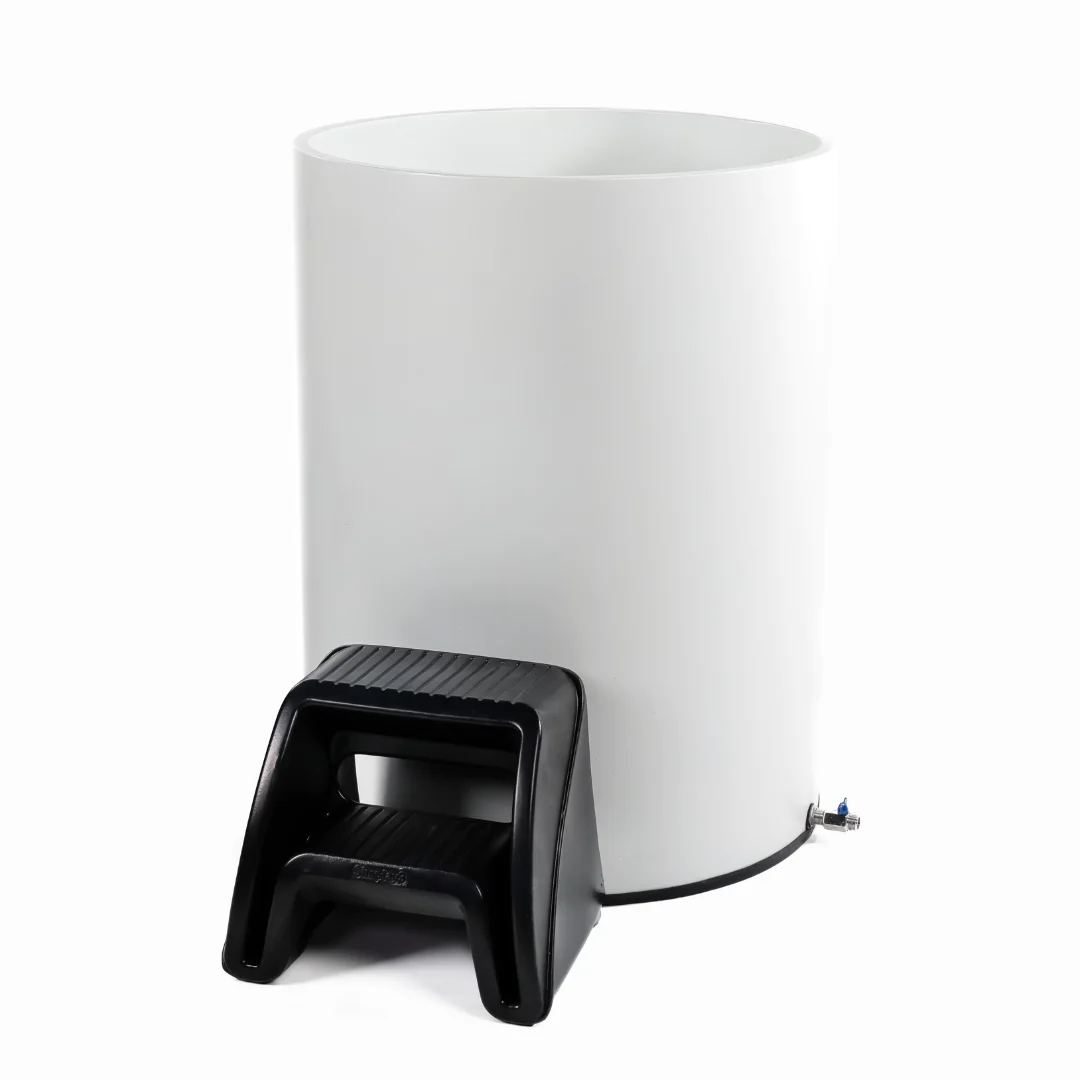
Taking a deep dive into our products, we’ve designed the ColdLife Plunge 1 keeping in mind the concept of replaceability. It’s high time we break away from the disposable culture and adapt to products that are durable and replaceable. Check out our ColdLife Plunge 1, a perfect example of a product that is not only eco-friendly but also replaceable and resilient.Discover the unparalleled benefits of cold immersion with ColdLife Plunge 1. Unleash your full potential with our innovative cold plunging solution. Explore the transformative effects on your body and mind. Elevate your lifestyle with ColdLife Plunge 1 today!
Frequently Asked Questions about How cold is a Polar Plunge
1. How cold is the water in a Polar Plunge?
The temperature of the water for a Polar Plunge can range between 35-45 degrees Fahrenheit (2-8 degrees Celsius), depending on the location and season. In some cases, it may need to be below 0 degrees Celsius to be considered a true Polar Plunge.
2. What happens to your body when you dive into such cold waters?
When you take the plunge into frigid water, your body experiences what is known as the “cold shock” response. This leads to an immediate increase in breathing rate, heart rate, and blood pressure, causing your breath to be taken away by the extreme cold.
3. Can plunging into icy waters lead to hypothermia?
Yes, prolonged exposure to cold water during a Polar Plunge can result in hypothermia, especially when temperatures are below 10°C (50°F). Our bodies lose heat rapidly in freezing temperatures, making it important to be cautious and aware of potential risks.
4. What other factors should I consider before taking part in a Polar Plunge?
Apart from water temperature, weather conditions also play a significant role in both air and water temperatures during these plunges. It’s essential to remember that these events are often held in places where temperatures tend towards freezing or sub-zero levels.
5. Why do people continue participating in Polar Plunges despite the risks?
Polar Plunges attract participants from around the world who seek thrilling adventures while supporting worthy causes like Special Olympics events or winter-bathing clubs. The shared desire for adventure and the opportunity to contribute to something meaningful unites individuals willing to take on these challenges.
6. How can I prepare myself for a polar plunge?
If you’re considering participating in a Polar Plunge, it’s advisable to gradually acclimate your body to the cold by progressively exposing yourself to colder showers or swims. This can help prepare you for the intense cold shock experienced during the event. Additionally, always prioritize safety by being aware of your physical condition and environmental conditions before diving in. Remember to stay cautious and enjoy the thrill responsibly!
Now you know How cold is a Polar Plunge , but that’s only the beginning of your journey here at Sweat N Chill Zone. If you found this post useful there’s more to learn to get you to the next step of your sauna & cold plunge journey. If you read our next articles you’ll be a step further than most people.
Before you go…
Takeaway 1:
Plunging into freezing cold water during a Polar Plunge can have some serious effects on our bodies. The sudden shock of the icy water can make our heart rate and blood pressure skyrocket, while also causing us to gasp for breath like we just saw a ghost. So, if you’re thinking about taking the plunge, be prepared for your body to do some crazy things!Takeaway 2:
As if the initial shock wasn’t enough, prolonged exposure to frigid water can lead to hypothermia. Yup, that’s right! When the temperature drops below 10°C (50°F), our bodies start losing heat faster than you can say “brrr.” So, it’s important to know your limits and get out of that icy water before things get too chilly.Takeaway 3:
Despite all the risks and challenges involved, people from all over the world still flock to take part in Polar Plunges. They brave the freezing cold waters because they crave that thrill-seeking adventure and want to support great causes like Special Olympics events or winter-bathing clubs. But hey, if you’re thinking about joining in on the fun, make sure to train beforehand by exposing yourself gradually to colder showers or swims. And most importantly, always prioritize safety by checking your physical condition and environmental conditions before diving in! Discover the best way to cold plunge for optimal health benefits. If you’re on a budget, consider our picks for the most affordable cold plunges in the market.
George From Sweat N Chill Zone
George, the passionate founder of Sweat N Chill Zone, is an ardent advocate for holistic wellness through the healing powers of saunas and cold plunges. With a background in health sciences and a fervent dedication to sharing the benefits of thermal therapy, George curates an informative space, offering insights, tips, and expert advice to help individuals optimize their health and well-being through the transformative effects of heat and cold treatments. Through Sweat N Chill Zone, George aims to inspire and educate, fostering a community centered around rejuvenation and vitality.
Download this courtesy guide to optimize your sauna and cold plunge experience and health optimization.
Download the Free Guide Today